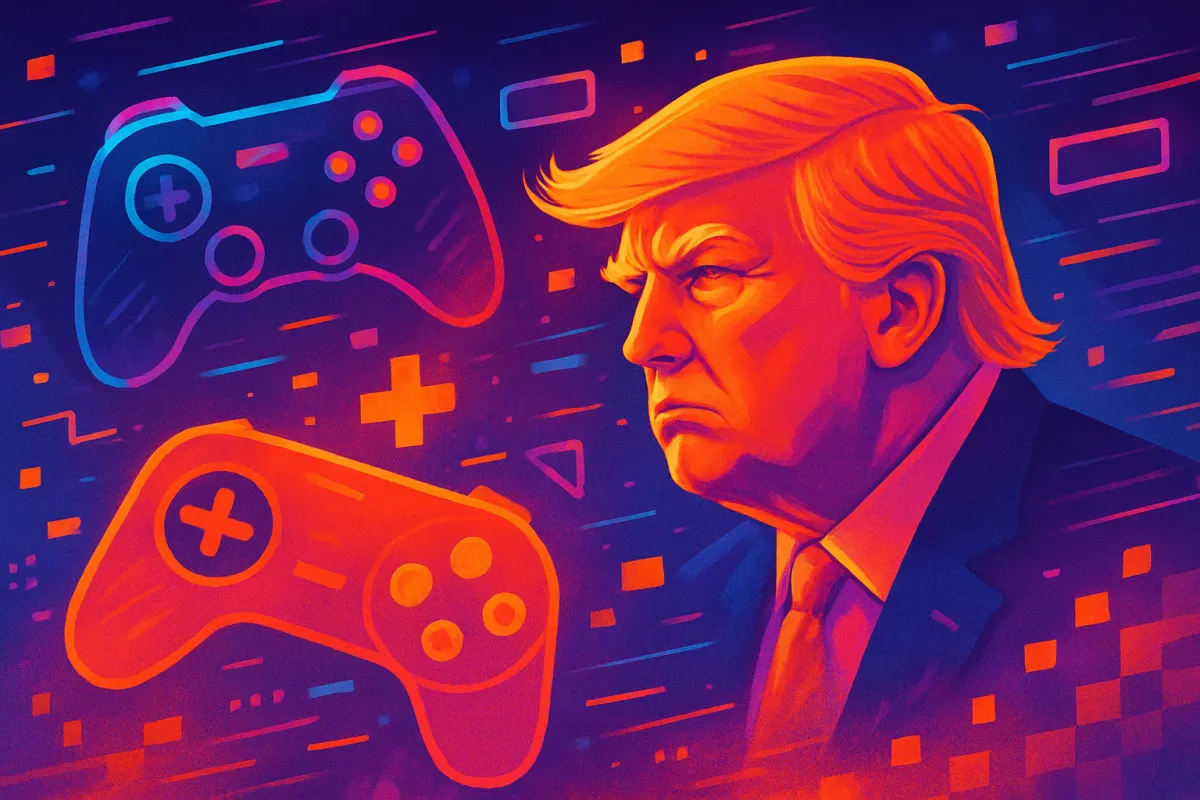
What's the Deal with Tariffs?
Imagine booting up your favorite game, only to discover it’s now pricier than ever. That scenario might not be too far from reality. Recent discussions point to a potential increase in tariffs under the Trump administration that could impact various sectors, including artificial intelligence, video games, and cellphones. Analysts are weighing in, and the consensus is clear: consumers may soon face higher prices.
These tariffs, which are essentially taxes imposed on imported goods, have long been a point of contention in American economic policy. While aimed at protecting domestic industries, they can lead to inflated costs passed down to consumers. In an industry where profit margins are already slim and production costs are soaring due to supply chain issues, the gaming world is holding its breath.
"Inflation in gaming prices could deter new players from entering the market entirely."
Why Should Gamers Care?
For gamers and tech enthusiasts alike, the effects of these tariffs could be profound. If manufacturers face increased costs for components, think graphics cards or processors, the price tags on consoles and games themselves will likely rise. Many popular gaming hardware and software titles are heavily reliant on international trade. Increased tariffs could mean less competition and fewer innovations as companies grapple with higher costs.
The impact doesn’t stop at just price increases. Higher production costs could stifle creativity in game development as studios allocate budgets more conservatively. Smaller indie developers might struggle to keep their heads above water while larger companies could consolidate their power even further. This scenario paints a grim picture for a community that thrives on diversity and innovation.
What Can We Expect Moving Forward?
The road ahead remains uncertain. The gaming industry has weathered many storms before, rising development costs and shifts in consumer behavior are just two examples. However, if these proposed tariffs take effect, we might see companies raise their prices not just on consoles but on everything from downloadable content to annual subscriptions.
The short-term effects could be felt almost immediately as retailers adjust their pricing strategies in anticipation of changes. Longer-term impacts may also affect how companies approach game development and marketing strategies, fewer flashy ads for new titles if profits dwindle too low.
"Expect some tough choices: pay more or settle for less."
Also worth noting is how consumer behavior could shift under pressure from these price hikes. Will gamers be willing to shell out extra cash when they can still turn to an expansive library of free-to-play titles? As we know from history, players often vote with their wallets. If gamers choose to hold back on spending due to inflated prices, we might see a ripple effect throughout the industry.
A tighter budget for consumers could lead some gamers to migrate towards subscription models or cloud gaming services that offer lower upfront costs but require ongoing commitments, a trend we've been tracking closely here at Playmania Arcade.
What Can You Do?
If you're concerned about potential price hikes affecting your gaming habits, it’s time to keep an eye on this situation closely. Stay informed about current events related to tariffs and trade policies, especially those impacting technology sectors like AI and gaming. Engaging with local representatives or joining advocacy groups focused on fair trade can also amplify your voice in this matter.
As this story develops, it’ll be essential for players like you to remain proactive. Sign up for alerts on news affecting the gaming industry through platforms like our own Playmania Game News, where we’ll continue tracking these shifts.