What's happening in the digital gaming market?
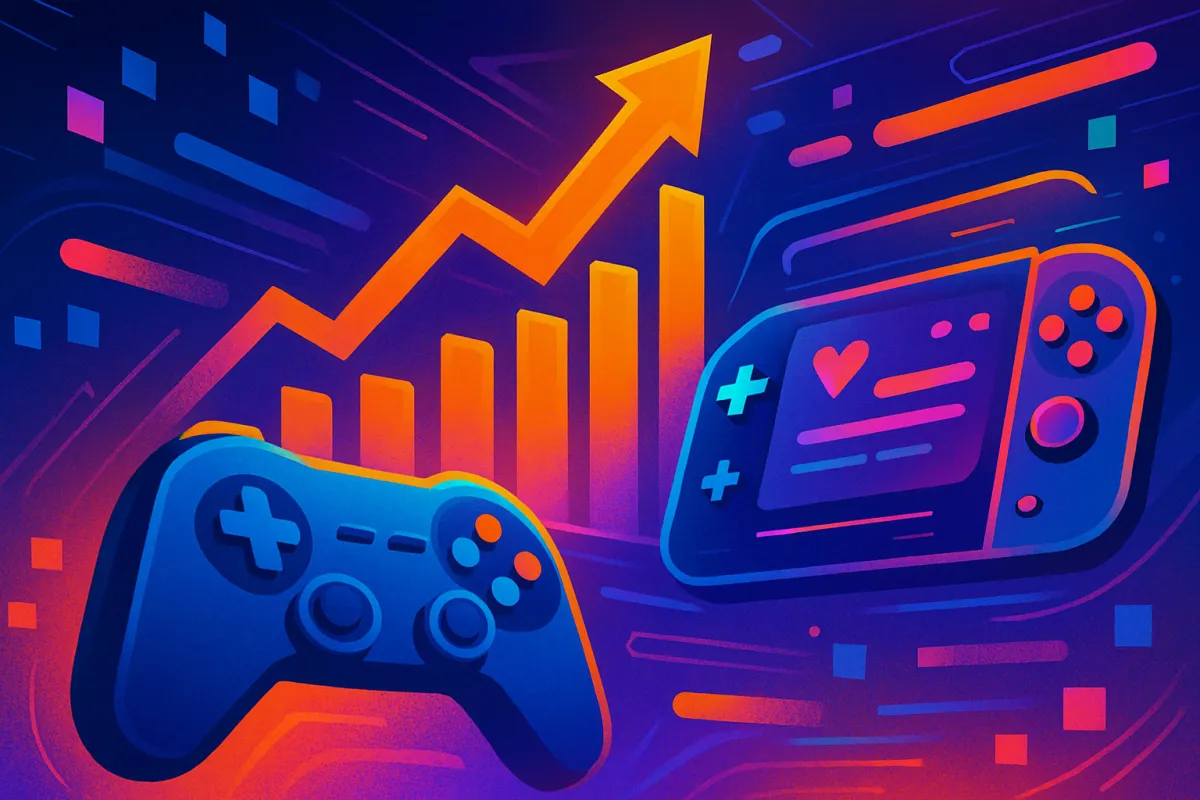
The digital games market is on a trajectory toward significant growth, with projections estimating it will soar to approximately $349.6 billion by 2033. This explosive growth translates to an impressive compound annual growth rate (CAGR) of 5.5%. For those of us who live and breathe video games, this is not just another number, it's a forecast that hints at the evolving landscape of our favorite pastime.
"The rise in the digital gaming sector is set to change how we engage with games on multiple levels."
Several factors are contributing to this upward trend. First, the proliferation of mobile devices and the internet means more players are connecting online than ever before. Plus, advancements in technology like virtual reality (VR) and augmented reality (AR) are making games more immersive and appealing. It’s a thrilling time for game developers and consumers alike as they ride the wave of innovation.
Why does this matter to players?
So why should gamers care about these numbers? For starters, as the market grows, so too does investment in game development and technology. More money flowing into the industry could mean better graphics, deeper narratives, and more engaging gameplay mechanics across all genres.
"With increased investment comes greater opportunities for creativity and innovation within games."
This also opens doors for smaller developers. As major studios expand their portfolios to capture more of this growing market share, indie developers might find niche areas ripe for exploration. Gamers can expect a richer variety of titles from diverse voices, something that's been steadily increasing over the past few years.
And a booming market might lead to enhanced online gaming experiences. Improved server infrastructure and better matchmaking systems would not only reduce lag but could make for a more enjoyable multiplayer experience overall. For competitive gamers, that’s music to their ears.
What can we expect moving forward?
If predictions hold true, we're likely to see several key trends unfold as we approach 2033. Among these trends is an ongoing shift toward subscription models in gaming. Platforms like Xbox Game Pass and PlayStation Plus have changed how players access games, favoring an all-you-can-eat model over traditional pay-per-title formats.
As cloud gaming gains traction, thanks to services like Google Stadia and NVIDIA GeForce Now, the need for high-end hardware may decrease. Players could enjoy AAA titles without needing top-tier equipment; all you might need is a reliable internet connection.
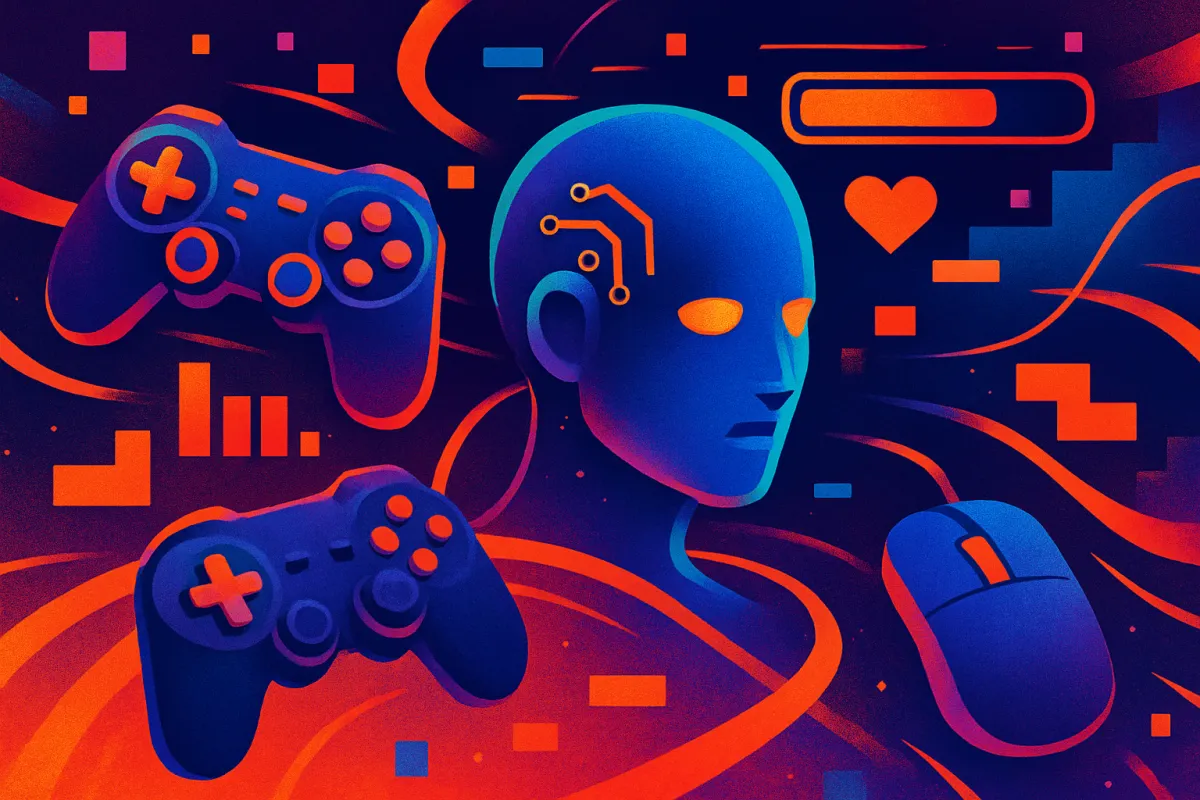
We might also see Artificial Intelligence playing a crucial role in shaping player experiences. From smarter NPCs to personalized gaming environments, AI could significantly enhance how stories unfold in games while making them feel tailor-made for each player.
Of course, challenges lie ahead as well; regulatory issues around data protection and privacy concerns will likely become even more prominent. How companies handle these issues could greatly impact player trust moving forward.
The potential future looks bright! With innovations emerging almost daily and investment pouring into new technologies within the realm of gaming, players can look forward to experiences that push boundaries beyond what was once thought possible.
For those eager for updates in this dynamic space, you can follow more detailed reports on platforms like OpenPR, or keep an eye on our own coverage at Playmania Arcade's Game News.