What's happening?
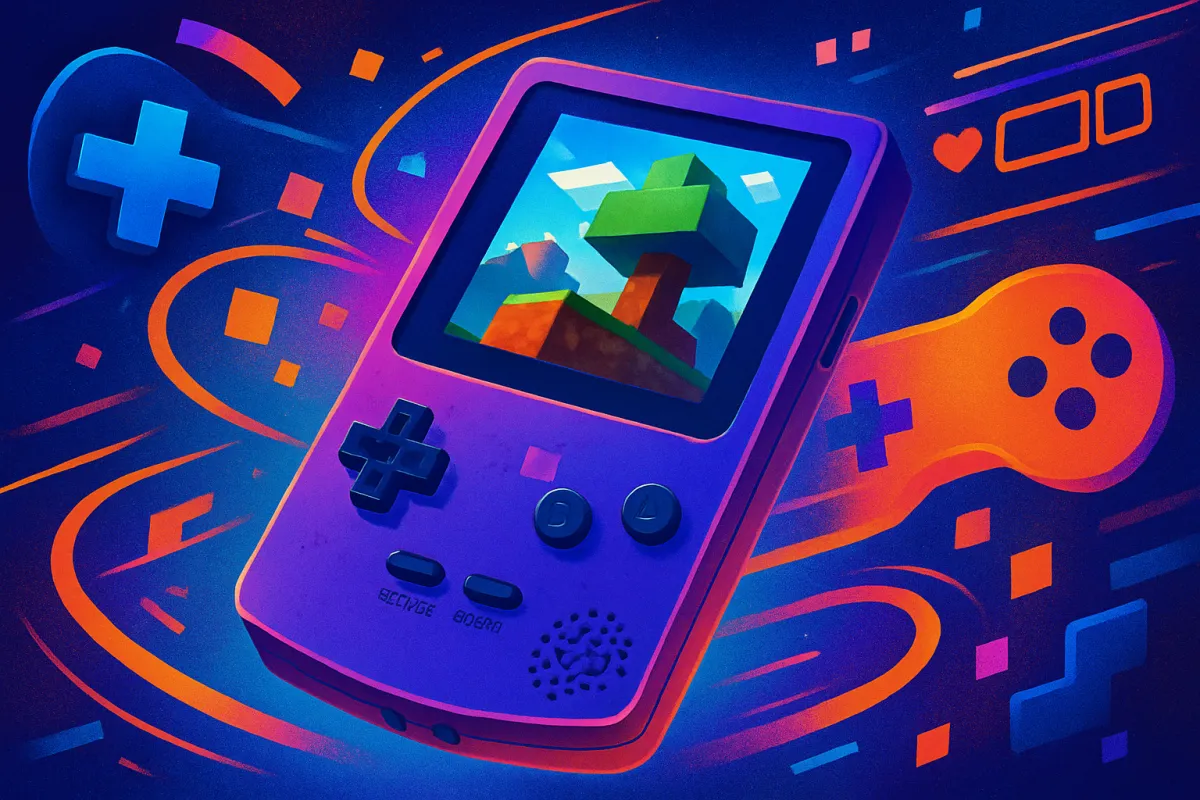
In a remarkable demonstration of creativity and technical prowess, a developer has successfully managed to run Minecraft on the classic Game Boy Color and its predecessor, the original Game Boy. This isn't just a simple port of the game; it’s an impressive feat that includes 3D rendering capabilities and textures, something many thought impossible on such limited hardware.
This version of Minecraft showcases a fully functional environment that retains much of the charm of the original game while adhering to the constraints of the vintage consoles. Using clever programming techniques, the developer has coaxed out a 3D look from devices that were never designed for such graphical demands. The results are both nostalgic and awe-inspiring for gamers who grew up with these devices.
"Running Minecraft on Game Boy is like bringing a dinosaur back to life, unexpected yet exhilarating!"
Video clips circulating online reveal pixelated landscapes filled with blocky trees, expansive plains, and even structures crafted by players. Many fans are buzzing with excitement at this novel interpretation of one of their favorite games. The sense of achievement in getting such a massive title onto hardware originally designed for games like Tetris speaks volumes about the community’s talent.
Why does this matter?
This project isn’t just a fun gimmick; it highlights how far gaming technology has come and reminds us of its roots. For many, Minecraft represents freedom, a place where players can create anything they imagine. Being able to experience it on something as old-school as the Game Boy gives players a unique perspective on how innovation continues to be born from limitations.
"This hack serves as a sign of the creativity within the gaming community, if you can dream it, you can build it!"
And this achievement challenges our understanding of what hardware is capable of when pushed to its limits. By squeezing out functionalities typically reserved for modern consoles, developers can spark new interest in retro gaming while creating conversations around platform capabilities. It blurs the lines between nostalgia and innovation, creating a thrilling mix that's hard to ignore.
What’s next for indie development?
This kind of innovation encourages aspiring game creators to think outside traditional frameworks. Who knows what other groundbreaking ideas could surface from this kind of unconventional development? Enhanced fan engagement could spur more projects attempting similar feats.
For players eager to relive childhood memories while exploring new iterations of their favorite games, keep your eyes peeled. You might find yourself uncovering hidden gems in unexpected places. It’s clear that passion drives these projects forward; there’s no end in sight for inventive twists on gaming history.