What's the Buzz?
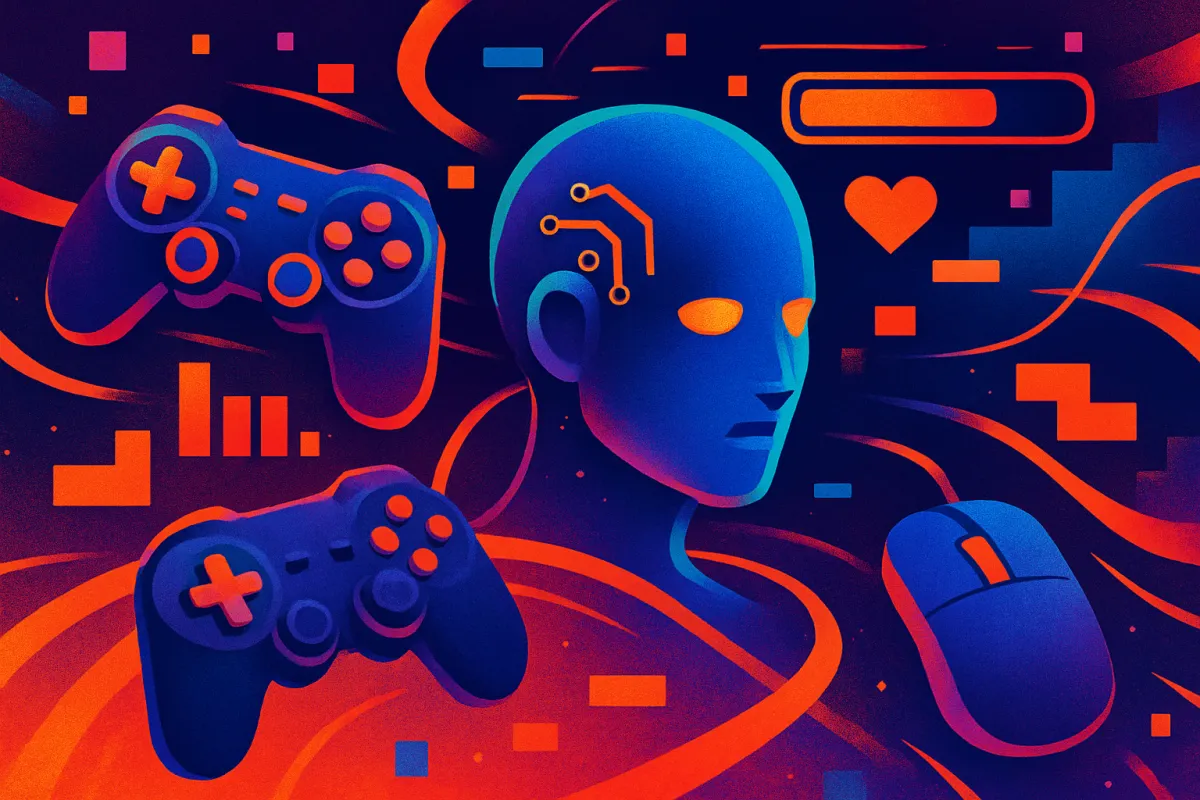
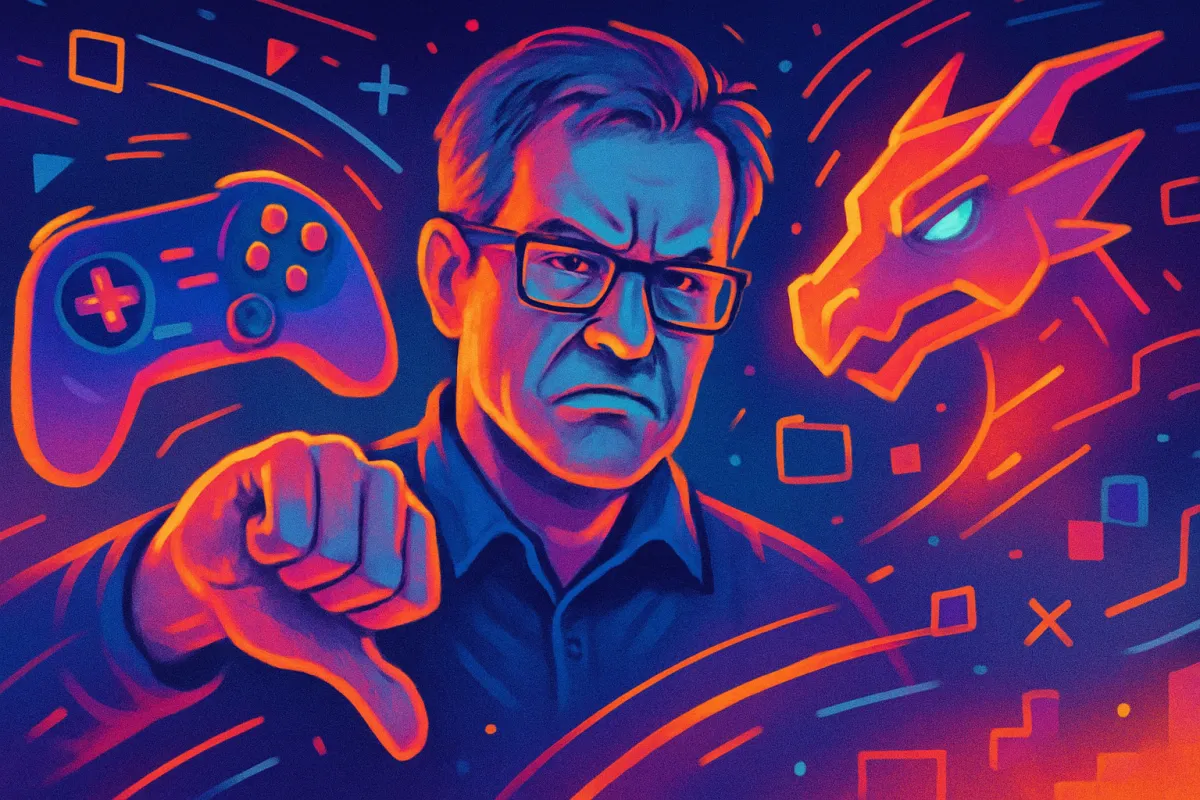
Picture this: a bustling game development studio, where creativity flows as freely as coffee. Now imagine it being infiltrated by algorithms and automated code that threaten to overshadow human ingenuity. Sounds alarming, right? Well, that's precisely how Dragon Age creator Mike Laidlaw describes the rise of generative AI in the gaming industry. In a recent statement, Laidlaw didn’t hold back when he referred to generative AI as a "plague" on game development.
This bold claim raises eyebrows across the industry, particularly among those who’ve poured their hearts into crafting immersive narratives and vibrant worlds. Laidlaw’s perspective is that while technology can enhance our experiences, an over-reliance on it could undermine the creativity that is essential in game design. With major developers experimenting with AI tools to expedite design processes, there’s growing concern about what the future holds.
"Generative AI is less about innovation and more about mimicry."
Why Does This Matter?
So why should players care? The answer lies in the essence of what makes video games compelling: storytelling, character development, and unique artistic expression. When you strip those elements away, what do you have left? Laidlaw argues that relying heavily on AI could lead to cookie-cutter games that lack soul or innovation.
The conversation isn't just about aesthetics or gameplay; it touches on how games resonate with audiences. Each player's journey through a game is shaped by its creators' intentions and emotions. It stands to reason that if we allow algorithms to dictate creative choices, we risk losing the very essence of gaming culture.
"If creativity is algorithmically generated, where does that leave human designers?"
What Could Happen Next?
As discussions around generative AI grow louder, various responses from industry leaders will shape its trajectory. Some developers may embrace it for faster workflows and reduced costs. Others might follow Laidlaw's path and rally against it in defense of pure artistic expression.
Looking ahead, we can expect studios to debate these issues openly at conferences and panels. Imagine heated discussions at events like GDC or PAX where developers confront the ethical implications of using AI. How will they balance technological advancement with preserving creative integrity? While some will likely push forward with AI-driven projects, others may choose to carve out spaces that prioritize human input over automation.
If you’re wondering how this all translates into your gaming experience: brace yourself for a possible divergence in titles. You might see some games become more formulaic, relying on data-driven decisions, while others strive for uniqueness through traditional methods.
The Future of Creativity in Gaming
The gaming community thrives on passion, from design choices to storytelling techniques. If generative AI starts dictating these elements too heavily, we could find ourselves yearning for the days when games felt personal and crafted with care.
As players, we should voice our opinions too. Engage with developers, share your thoughts on social media platforms like Twitter or Reddit. We have a role in shaping how games are developed now and in the future.
The question remains: Will you champion a future where creativity flourishes alongside technology? Or are you concerned about falling prey to algorithmic mediocrity? The choice may define not just our games but also what we value in this fast-moving medium.