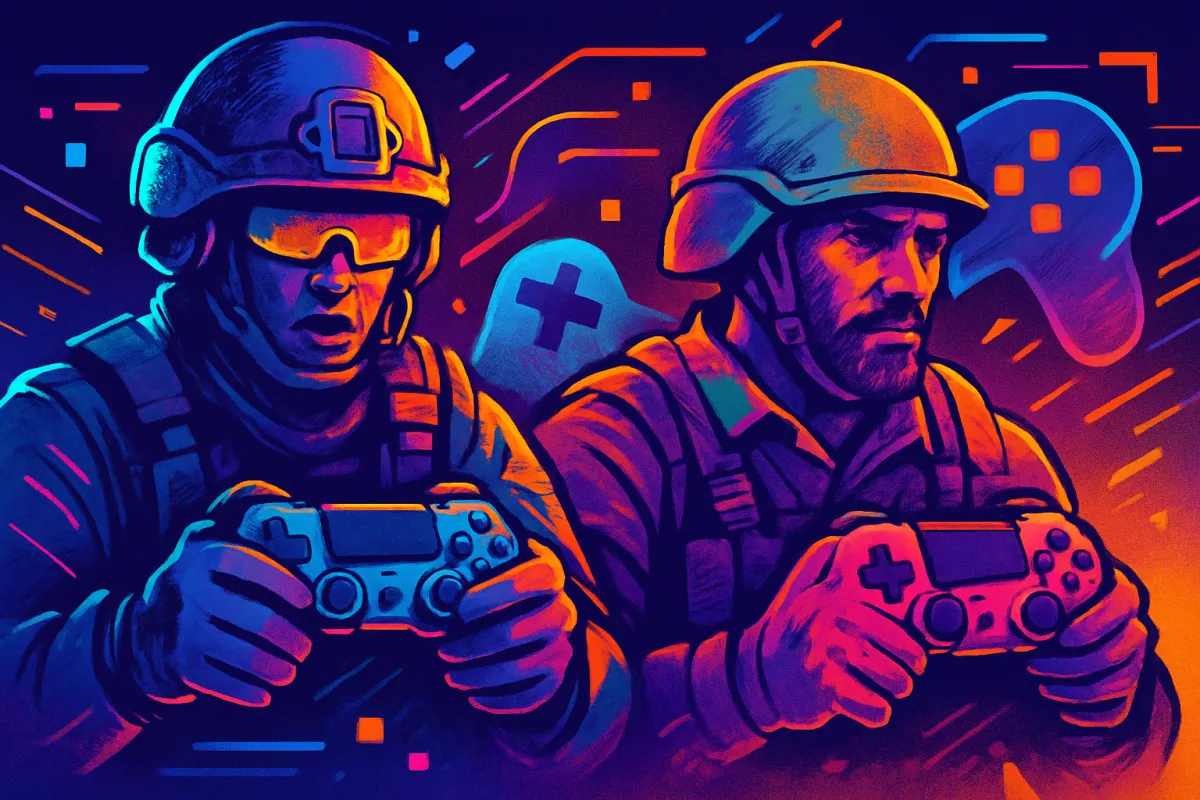
Unshakable Fan Commitment
Picture this: it's a Friday night, your friends are logging onto their consoles, ready to throw down in Call of Duty or Battlefield. The excitement is palpable; for these players, loyalty runs deep. It’s not just about choosing a game; it’s about being part of a community that shares passion and history. Recent discussions reveal something significant, fans of both franchises are showing critical loyalty that shapes their gaming experiences.
"In the battle for FPS dominance, the loyalty of players could determine the victor."
While new titles come and go, there’s an enduring attachment to the established franchises. Players often cite nostalgia as a key factor, but it’s more than that. The multiplayer landscapes offered by Call of Duty and Battlefield cater to diverse gameplay styles, whether you’re into fast-paced shootouts or large-scale military tactics.
Why Do Fans Stick Around?
The answer lies in the communities built around these games. They’re not just fans; they’re part of something bigger. From the camaraderie found in team-based play to the adrenaline rush of competitive matches, these experiences forge bonds between players that last beyond individual games. There’s an identity tied to being a “COD player” or a “Battlefield enthusiast.”
"These titles aren’t just games; they’re cultural phenomena that resonate with millions."
And both franchises continually evolve through seasonal updates and expansive content releases. While some may argue that innovation has slowed down in recent entries, others believe that these series provide enough variation to keep them engaged. Each new installment feels like a homecoming for veteran players eager to reunite with familiar mechanics while exploring new maps and features.
What Does This Mean for Future Releases?
The unwavering loyalty among Call of Duty and Battlefield fans sends a clear message to developers: don’t underestimate your audience. As studios gear up for future releases, understanding what drives player loyalty could shape their strategies moving forward.
For one, maintaining active communication with the player base can help foster trust and engagement. Developers who listen to feedback and implement changes accordingly will likely retain their community's goodwill. And with competition heating up from newer titles emerging on the FPS scene, it's essential for both franchises to stay innovative without losing sight of their core identity.
Can This Loyalty Last?
The question remains: how long can this loyalty sustain itself? As the gaming industry continues to evolve with advances in technology, including AI enhancements, both franchises must adapt or risk losing traction among their dedicated fanbase. The next step could be exploring how AI might influence gameplay dynamics or improve matchmaking systems.
Fans’ loyalty speaks volumes about what players value most in their gaming experiences. While shiny new titles might capture attention momentarily, the connection built through shared moments and memories stands the test of time.
So as we dive deeper into 2026 and beyond, it’ll be fascinating to see how these legendary FPS franchises continue their legacy amidst rapid change and rising competition.
For those interested in tracking industry trends further, check out our game news section at Playmania Arcade.
: loyalty can shape gaming futures but only if developers are listening closely.