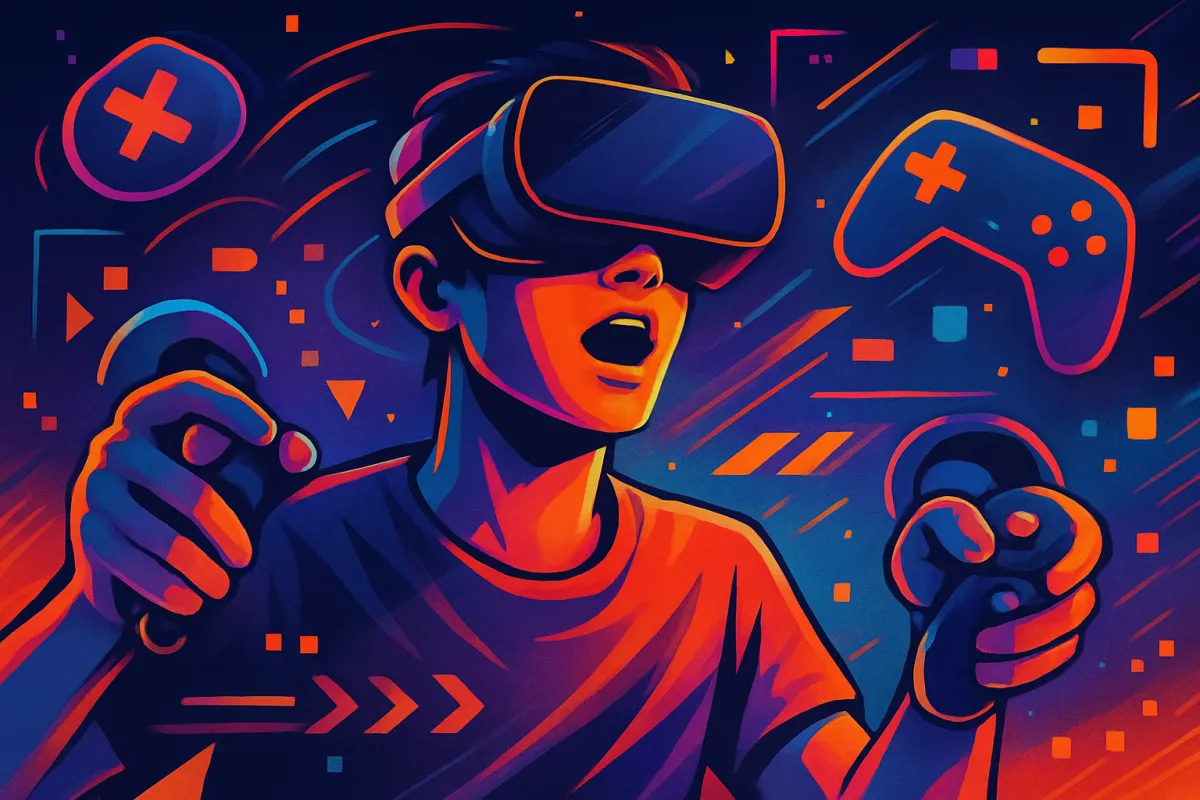
What’s Behind the Headset Exodus?
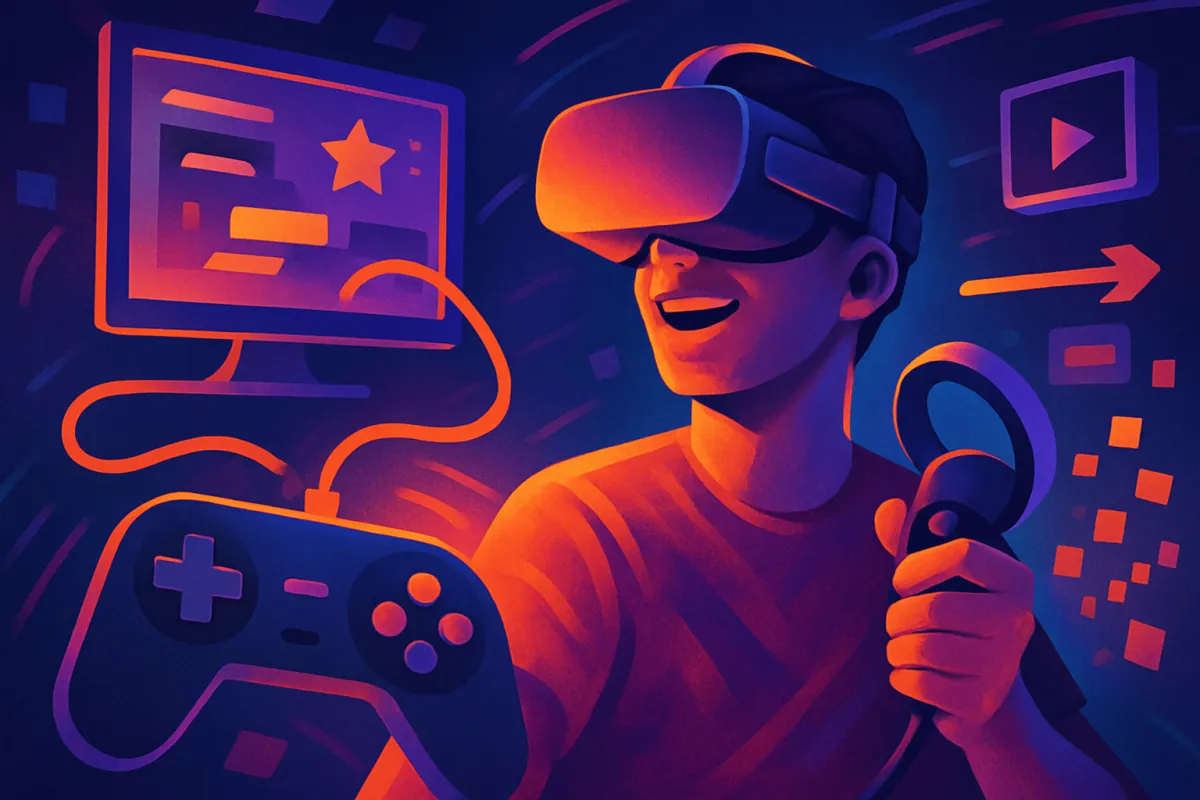
Virtual reality promised a new frontier in gaming, an immersive escape from the norm. Yet, many gamers find themselves trading their VR headsets for a more traditional screen experience. What's going on? While initial excitement was palpable, there are some hard truths that have emerged regarding VR's long-term appeal.
"It’s one thing to put on a headset, but it’s another to make it a routine part of gaming life."
First up is comfort, or rather, the lack of it. Many players discover that wearing a bulky headset for extended periods can be uncomfortable or even cumbersome. It doesn’t take long for your face to feel like it’s carrying extra weight. As the novelty wears off, so does the willingness to endure an experience that might require constant adjustments or breaks.
Technical Limitations Hampering Engagement
Next on the list are technical issues. Despite advances in hardware and software, VR technology can sometimes fall short of expectations. Laggy graphics or awkward controls can ruin immersion faster than you can say “game over.” Players expect fluid interactions and high-fidelity visuals, but if the tech fails to deliver consistently, frustration sets in.
"When games stutter or feel clunky, it takes you right out of the moment."
And not all games translate well into VR. While some titles shine brightly in virtual environments, others seem forced and awkward, diminishing user engagement. When your favorite genre isn’t making waves in this format, it's easy to lose interest and shift back to more familiar gaming experiences.
Social Isolation: A Major Turn-Off?
The social aspect of gaming is crucial for many players; it’s what brings friends together and creates shared memories. Unfortunately, VR often isolates users from others in the room. You could be surrounded by people but still feel alone because you're lost in your headset world. This disconnect can make multiplayer experiences feel less communal and more solitary.
Plus, while some platforms attempt to foster social interactions through virtual hangouts or shared experiences, these features are often underdeveloped or lack the charm of traditional multiplayer settings. If friends aren't using VR too, you may find yourself playing solo, or not at all.
Content Drought: Is There Enough Out There?
Lack of compelling content has also fueled disinterest in VR gaming. Sure, there are standout titles that shine brightly in the virtual world, but they’re often few and far between compared to mainstream offerings available on consoles and PCs.
This leads players questioning if purchasing a VR headset is worth it when engaging new content arrives at a trickle. A limited library means fewer opportunities for discovery and growth within this medium, causing disillusionment among early adopters eager for something new.Why Does This Matter?
The waning interest in VR has implications beyond just individual gamers; it reflects trends within the gaming industry as a whole. Developers face mounting pressure to produce innovative experiences that keep users engaged longer than fleeting moments of curiosity.
"If VR isn't delivering consistently fun experiences, its future might be at risk."
This situation begs a larger question: How will developers pivot? Will they prioritize quality over quantity? The answer may dictate whether this technology sinks deeper into niche obscurity or gains wider acceptance among everyday gamers.
What Lies Ahead for Virtual Reality?
The trajectory of virtual reality hinges on how well companies respond to player feedback moving forward. Enhancements in comfort and usability could go a long way toward rekindling interest among those who’ve abandoned their headsets.
And investing in better game development could attract both veterans and newcomers alike back into this realm. As trends evolve and audiences shift, finding ways to bridge gaps, whether through community engagement or captivating content, will be vital for keeping virtual reality alive.As we look ahead at 2026 and beyond, one thing's certain: A reckoning is approaching for virtual reality gaming as we know it today.
If you’re curious about the full breakdown behind these reasons why folks are ditching their headsets, check out the full article over at BGR.com. For more updates on gaming news like this story check our latest posts at Playmania Arcade's Game News section.