What’s the buzz about VR and body perception?
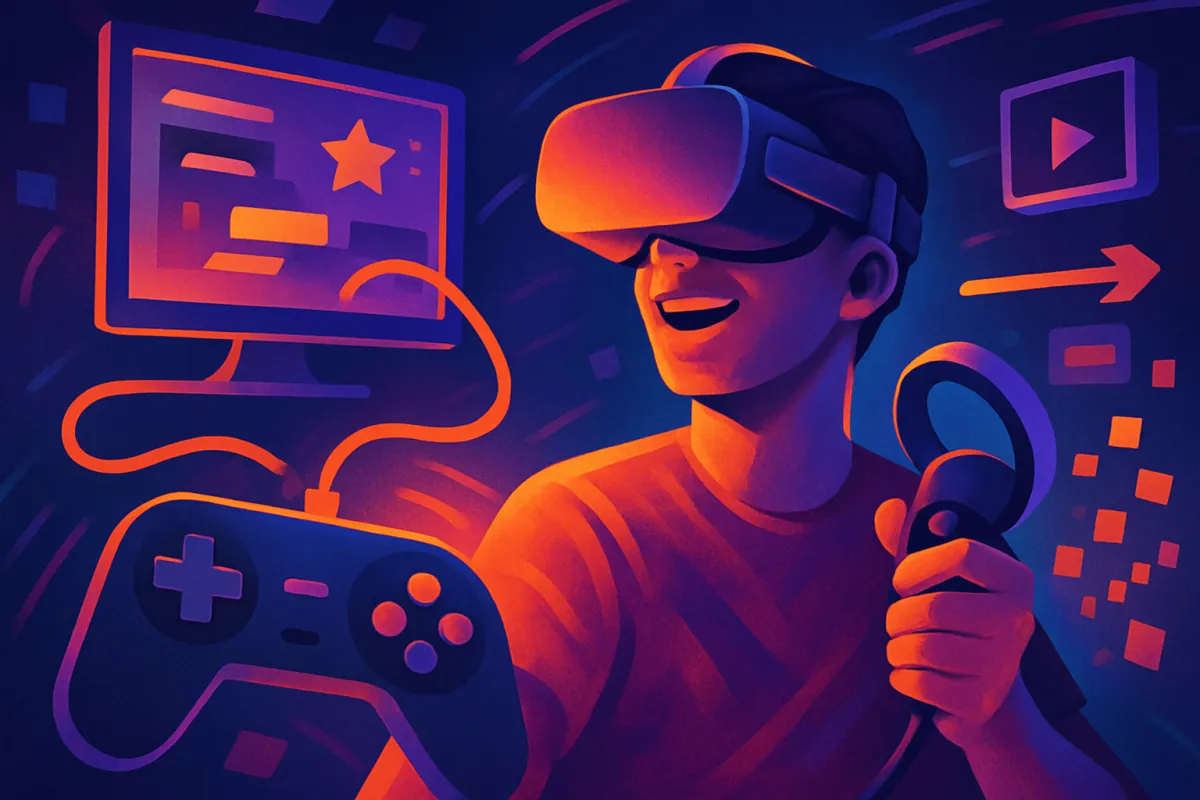
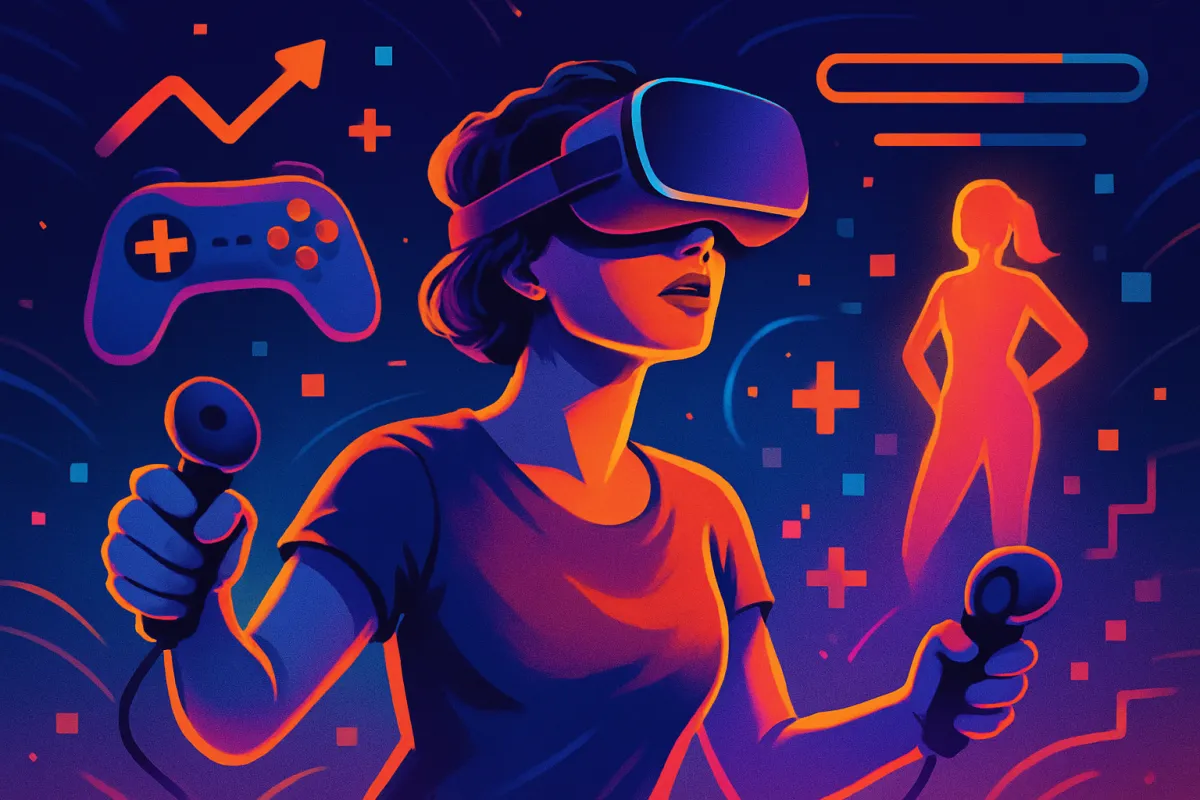
Imagine stepping into a virtual world where your physical form morphs into something completely different. That’s the reality, or rather, the virtual reality, many gamers are now experiencing. Recent discussions highlight how virtual reality (VR) isn't just about immersion or gameplay; it's also altering players' perceptions of their own bodies. Whether you're diving into an epic battle or exploring a serene landscape, VR has a unique ability to reshape how you see yourself.
"Virtual reality allows players to step outside their own skin, but what happens when they look back in?"
The concept is that VR games can distort one’s perceived body size or shape, impacting self-image in ways we’re just starting to understand. As developers create more engaging environments, this newfound perspective could have significant implications for both gaming experiences and player psychology.
Why does this matter?
The conversation around body image in gaming is crucial, especially considering that many players are looking to VR for more than just entertainment. For some, it offers an escape from reality, an opportunity to be someone else entirely. But how does this affect their understanding of themselves in real life? Studies indicate that experiencing a different body in VR can lead to changes in self-esteem and body satisfaction. This could either help gamers feel empowered or exacerbate issues like insecurity and anxiety.
"Games are not just about play; they're a mirror reflecting our beliefs about ourselves."
This is particularly relevant as the gaming community becomes increasingly aware of mental health issues tied to body image. If players can step into avatars that differ significantly from their physical selves, it opens up questions about identity, who we want to be versus who we actually are.
What can we expect next?
As the industry continues to advance, expect developers to grapple with these concepts more thoughtfully. Some might argue that creating a variety of body types in games could positively influence self-perception among players. Others may contend that it's too risky and could lead to negative outcomes instead. It’s clear that there’s a fine line between enhancing gaming experiences and supporting healthy self-image.
And upcoming VR titles might lean heavily into customization features that allow players not only to craft their characters but also influence how they view themselves within these digital realms. It opens the door for deeper narratives exploring identity, self-acceptance, and even societal standards of beauty.
As we've seen before with trends like inclusivity in character design, it’s likely that as awareness grows, developers will begin seeking feedback from communities impacted by these issues. Gamers themselves could become advocates for change within the industry, calling for games that challenge stereotypes and encourage a healthier relationship with body image.
Final thoughts
The intersection of virtual reality and body perception presents a fascinating frontier for both gaming culture and psychological research. While not all VR experiences will lead to positive changes in how one perceives their own body, there's immense potential for developing narratives that resonate deeply with players’ personal journeys.
This evolving conversation around VR reflects broader societal attitudes toward self-image and acceptance, an issue that transcends gaming but finds itself amplified within this vibrant medium.
To keep track of developments in this space, check out more stories on our [game news page](/game-news). The implications are far-reaching, affecting everything from gameplay dynamics to player mental health.