
What Happened?
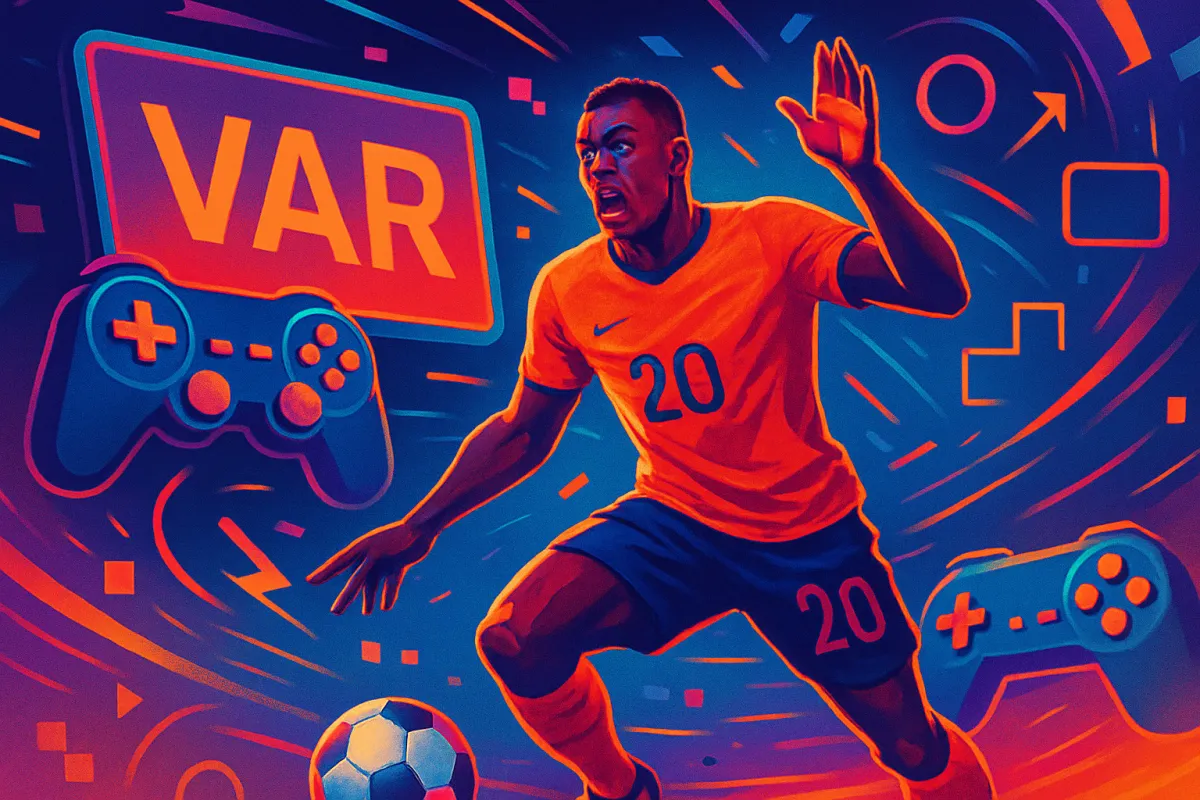
Picture this: the stadium filled with thousands of fans, the atmosphere electric as the World Cup unfolds. But suddenly, a cloud of confusion descends over the pitch. That’s how it went down during a crucial match when Folarin Balogun received a red card that left players and fans alike scratching their heads. The culprit? A misapplication of VAR protocols. This incident highlights a significant flaw in how technology interacts with live sporting events and opens up an array of questions about accountability.
"This incident has put the spotlight on how VAR is implemented and whether it's really improving the game."
The decision came after a review that many argue was conducted incorrectly, with referees failing to follow established guidelines. What should have been an opportunity for clarity turned into chaos, as Balogun was sent off for what appeared to be a harsh judgment. Fans erupted in outrage, questioning not just the call but also the broader implications of relying heavily on technology in such high-stakes moments.
Why Does This Matter?
This incident is more than just a red card, it’s emblematic of ongoing tensions surrounding VAR and its integration into sports. While the technology aims to enhance fairness and accuracy, it often seems to complicate rather than clarify. As spectators, we expect our officials to make informed decisions based on clear evidence; when that expectation isn't met, frustration ensues.
"The primary goal of VAR was to reduce errors, not create new controversies."
In this case, supporters of both teams found common ground in their discontent with the ruling. It doesn’t just tarnish the integrity of this particular match; it raises fundamental questions about the future of officiating in football. Will teams continue to accept decisions made through blurry screens rather than clear-cut calls from trained referees on the field?
The implications extend beyond just this game. If players feel they are at risk of unfair penalties due to errors in technology, it can impact their performance and mindset during pivotal matches. Balogun's wrongful ejection puts him out of play at a critical moment, not just affecting his team’s chances but also his own career trajectory.
What Can Be Done?
So what’s next? The football community, players, coaches, fans, must push for increased transparency and accountability regarding VAR operations. Training for referees on using this technology needs an upgrade too; they must understand how best to interpret what they see through the lens and trust their instinct as well.
And establishing clearer communication between referees and teams during reviews could ease some tensions. Imagine if players and coaches could receive real-time updates on what exactly is being reviewed instead of waiting around while decisions are made behind closed doors. In an age where instant information is expected in every other facet of life, football shouldn’t lag behind.
The Balogun incident serves as yet another reminder that while technology can help eliminate human error, it can also introduce new complications if not implemented correctly. For now, let's hope that lessons will be learned from this debacle, not just for Balogun but for all players who deserve fair treatment under the rules.
Looking Ahead
As we move through this World Cup season, eyes will undoubtedly be glued not only to player performances but also to how officiating evolves in response to incidents like these. Will FIFA take steps to rectify these misapplications? Or will we continue seeing questionable calls that shift the trajectory of matches and careers?
The answer remains unclear, but one thing is certain: controversies around VAR aren't going away anytime soon, especially with high stakes like those at play during the World Cup. For more insights on gaming news like this one or updates around sporting events impacting games played globally, check out our latest coverage at Playmania Arcade's Game News.
For those wanting a deeper get into Balogun's controversial red card situation and its fallout within football’s governance structures regarding officiating standards and protocols, you can read more about it at ESPN.