What’s the Story?
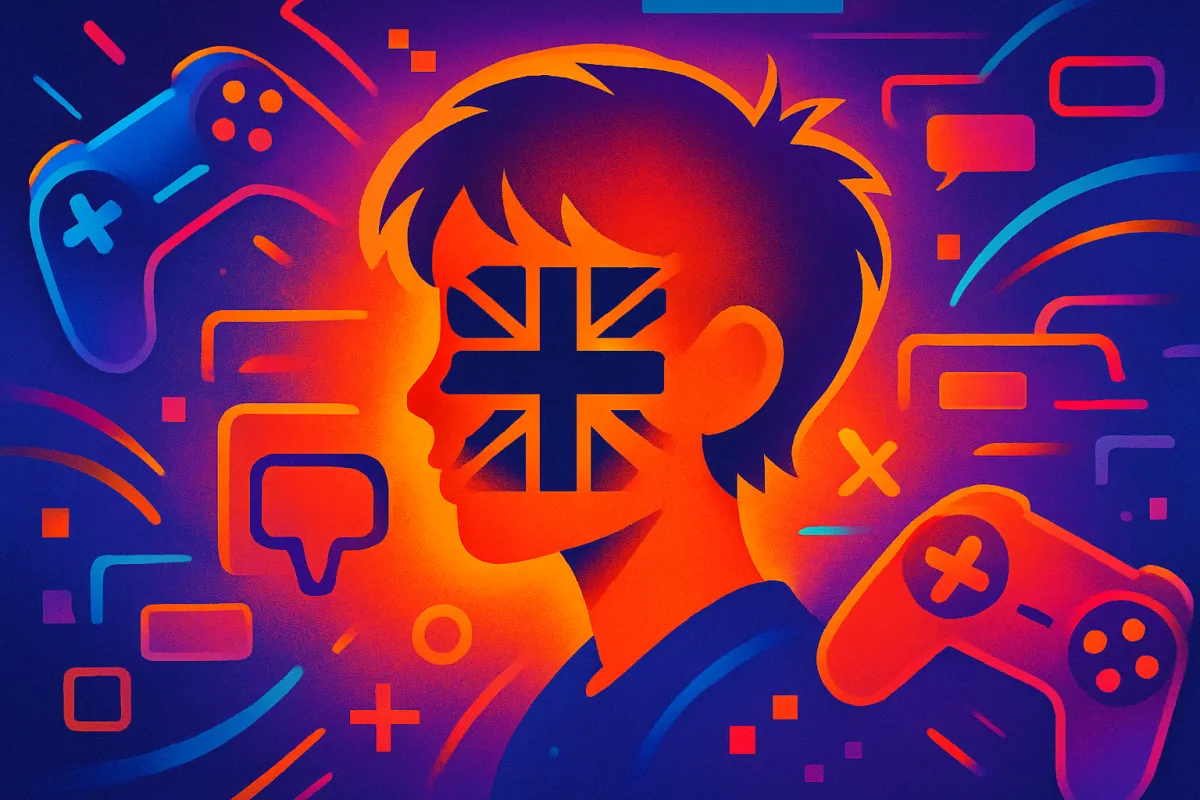
As the UK government gears up to ban under-16s from popular social media platforms like Snapchat, TikTok, YouTube, Instagram, X, and Facebook, critics are raising a red flag. This move has sparked heated discussions about whether punishing children is really the answer to the problems associated with these platforms. Rather than addressing the root causes of online issues, some experts believe this ban is a simplistic approach that misses the bigger picture.
"Instead of punishing children, the government needs to target the source."
The upcoming ban is seen by many as an attempt to shield young users from harmful content and online interactions. However, while the intention may be noble, it raises more questions than it answers. Is simply shutting out minors from these platforms really going to protect them? Or does it ignore deeper systemic issues that need addressing?
Why Is This Happening Now?
The surge of mental health issues linked to social media use among teenagers has caught the attention of lawmakers. Reports have shown rising anxiety and depression rates in younger populations attributed to their online experiences. As a reactionary measure, officials propose banning access for under-16s in hopes of fostering safer digital environments for kids.
But here lies a crucial concern: banning access could push children towards less moderated platforms or underground forums where regulations are even looser. It’s reminiscent of banning something outright rather than educating users on responsible usage and how to navigate potential pitfalls.
"Banning may protect kids in theory but could expose them to greater risks elsewhere."
Many commentators believe that instead of implementing bans, governments should focus on legislation that targets how these social media companies operate. If companies enforced stricter moderation and ethical guidelines for content shared on their platforms, perhaps young users would benefit more than through outright bans.
What Do Experts Say?
Experts contend that merely keeping kids off social media isn’t a sustainable solution. Dr. Emily Hartman, a child psychologist, noted that prohibiting access doesn’t teach kids about online safety or healthy social interactions; instead, it could create an allure around these platforms, a classic case of forbidden fruit syndrome.
Other voices in the discussion emphasize the importance of education over prohibition. Programs aimed at teaching digital literacy could empower young users with skills to make better choices online. By providing tools for navigating social media responsibly, society stands a better chance at safeguarding youth mental health without resorting to sweeping bans.
What’s Next for Social Media Regulation?
The ongoing debate surrounding youth access to social media is not likely to end anytime soon. The government’s initiative has stirred strong reactions from parents, educators, and tech advocates alike, each group holding differing views on how best to protect minors. And this isn’t just a UK issue; similar conversations are happening globally as nations grapple with balancing freedom of expression against potential harm associated with unrestricted access.
This proposed ban might be just one piece in a larger puzzle involving technology ethics and youth protection. There’s no denying that substantial reform is needed across digital platforms, better moderation practices being top of the list, but addressing these concerns involves more than just limiting who can log on.
"A holistic approach may offer better solutions than merely slapping down bans."
If lawmakers genuinely want to see results regarding youth safety online, they must consider collaborative approaches involving tech firms. Initiatives focusing on improving user experience through robust safety features can yield better outcomes than isolationist policies that risk exacerbating the very problems they aim to solve.
Is Banning Kids Enough?
The core question remains: will banning under-16s from social media solve anything? Many believe it won’t make any real difference if deeper-rooted issues remain unaddressed. To enact meaningful change requires tackling both parental guidance and corporate responsibility simultaneously. Social media companies have an essential role in shaping user experiences but cannot do so without effective guidelines enforced by regulatory bodies. Therefore, both sides must come together, the government regulating standards while tech firms innovate solutions for safer environments.
This emerging dialogue around youth interaction with digital spaces highlights challenges faced by current generations navigating complex technology landscapes. While government actions might stem from good intentions of protecting minors, ignoring fundamental issues only serves as a temporary fix.
The bottom line? The conversation around youth protection on social media is far from over and could evolve quickly based on new data or societal shifts. Expect lively debates ahead as parents and policymakers seek effective ways forward amidst evolving technology landscapes.
For more insights into this evolving issue in gaming and social media culture check out PC Gamer, or browse other stories like it in our Game News section.