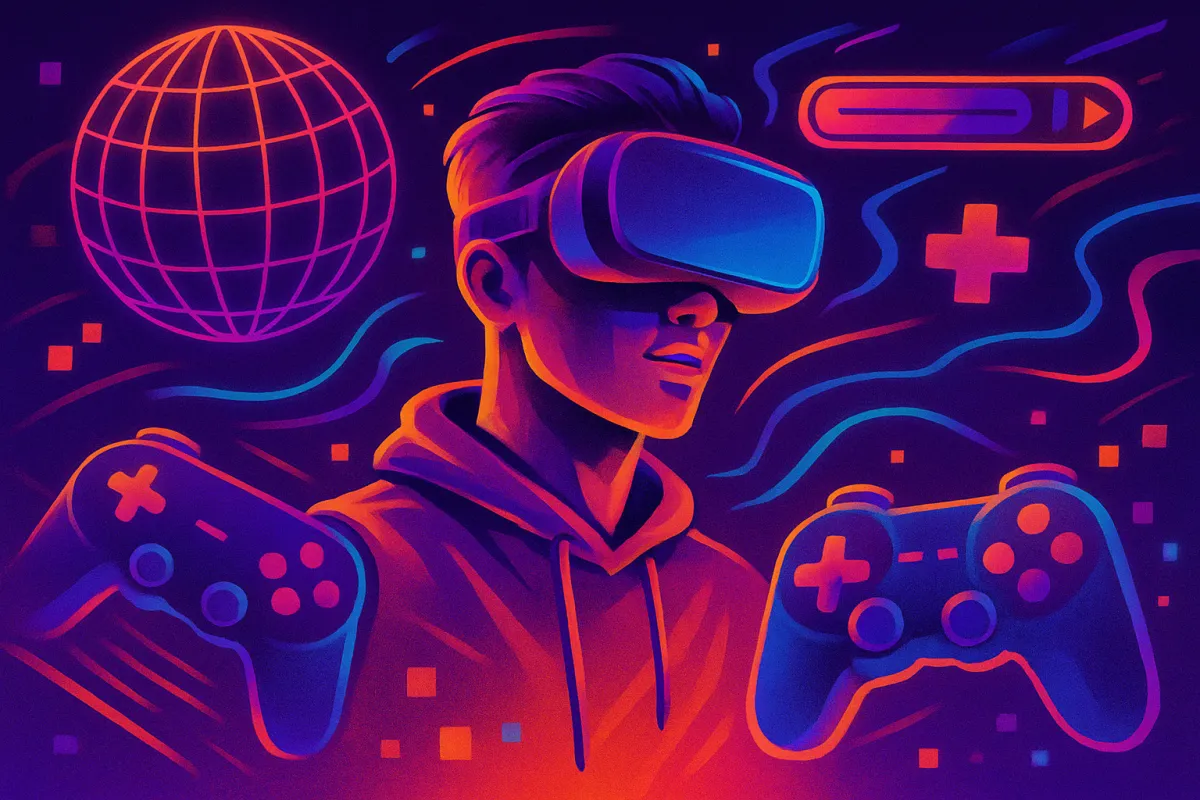
What’s driving the metaverse surge?
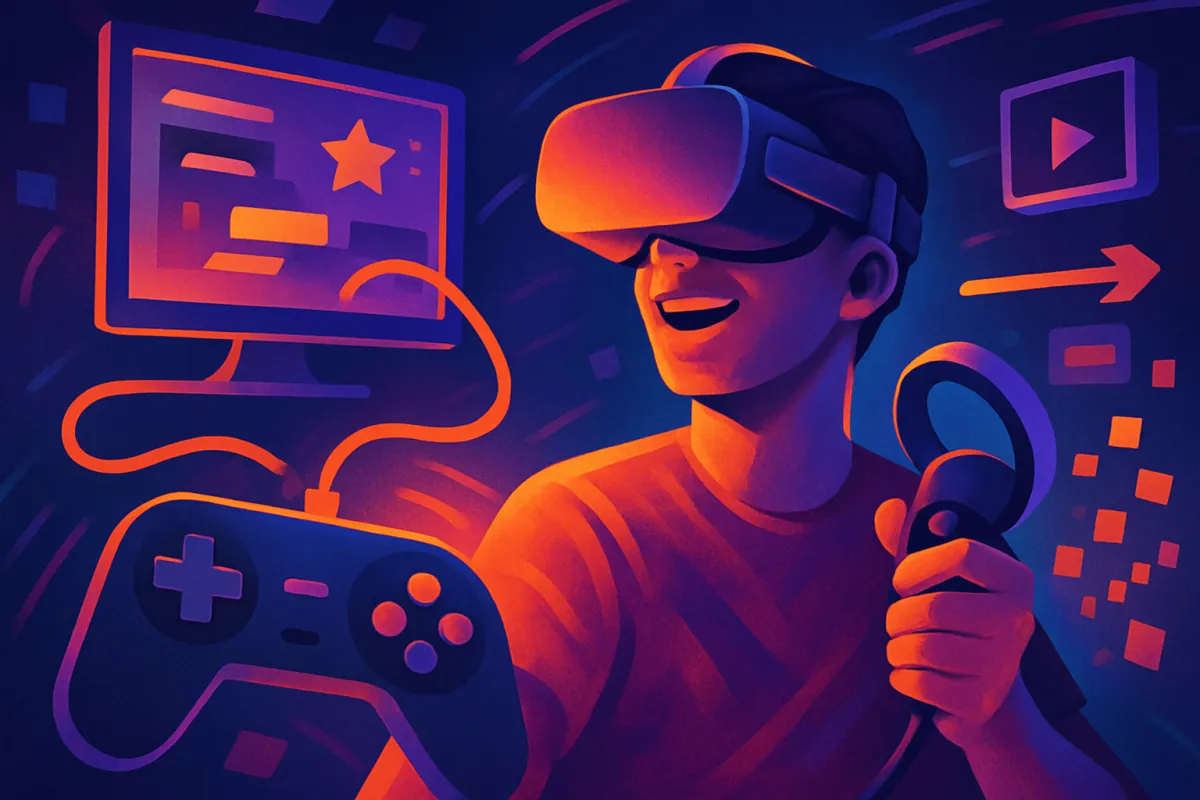
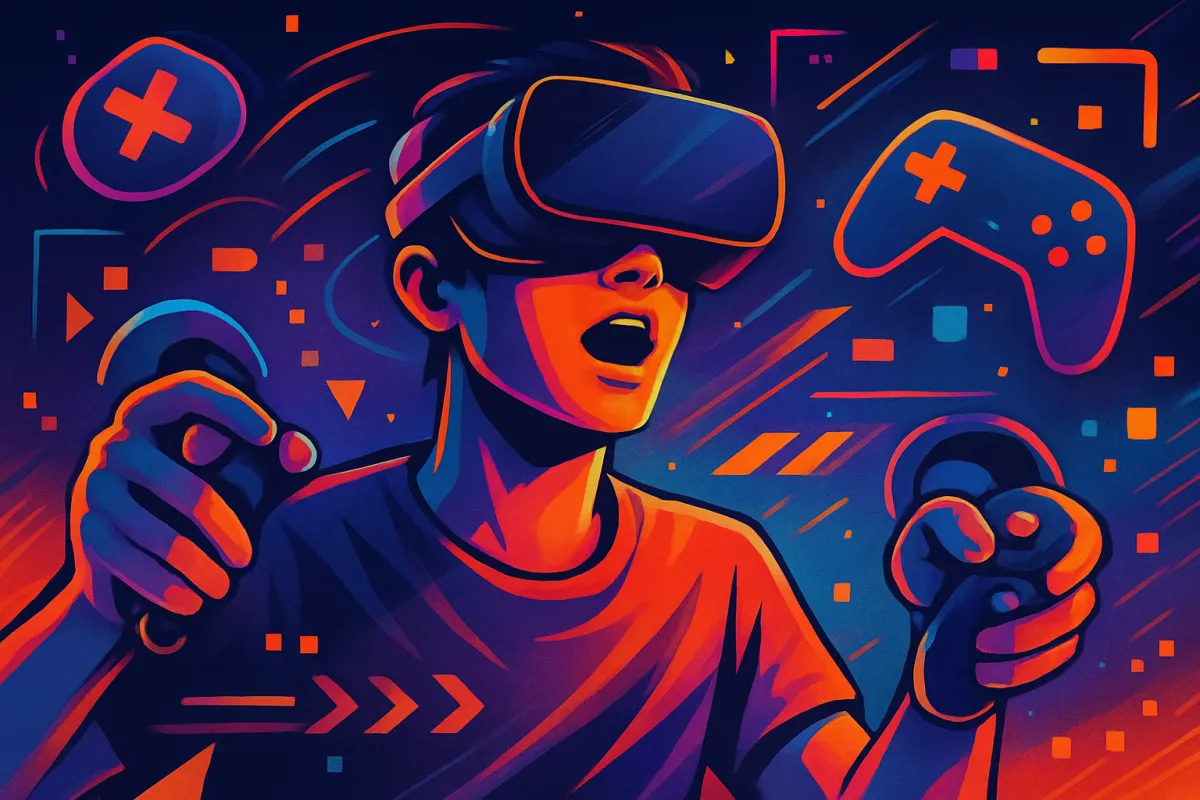
Picture this: You slip on a VR headset and find yourself standing in a crowded virtual arena, surrounded by players from around the globe, all experiencing their favorite games together. As technology continues to evolve, the metaverse has become more than just a buzzword, it's transforming how we experience entertainment. Recent projections suggest that the entertainment industry’s footprint in this burgeoning space could quadruple by 2032.
This remarkable growth is being fueled by advancements in augmented reality (AR) and virtual reality (VR), attracting both developers and players alike. With the rise of immersive gaming experiences that leverage AR technology, players can now interact with their environments like never before. Major franchises are beginning to explore AR integrations, creating unique gameplay experiences that blend our physical world with digital components.
“The metaverse isn’t just a concept; it’s quickly becoming our new reality.”
The implications for game developers are significant. With audiences becoming increasingly engaged in these virtual spaces, there's an opportunity for them to create more tailored and immersive experiences that cater to evolving player demands.
Why does this matter to players?
The projected quadrupling of the entertainment sector within the metaverse means we could see more diverse gaming options than ever before. This explosive growth opens doors for indie developers, who will have greater access to platforms that can host their innovative ideas. So expect an influx of new games that challenge traditional mechanics and storytelling methods.
And as players, you’ll be witnessing a richer tapestry of narratives unfolding within these interactive environments. Rather than simply playing through pre-set missions or levels, imagine crafting your own narrative alongside others in real-time as you forge alliances or rivalries within shared digital spaces. This isn’t just the future; it’s happening now.
“The line between player and game creator is blurring as new tools emerge.”
Plus, social interaction will take center stage in these metaverse environments. Gamers will find themselves attending live concerts in virtual spaces or participating in community events that transcend geographical boundaries, all from the comfort of their living rooms. These opportunities are not just exciting, they’re vital for building connections within gaming communities.
What can we expect next?
As we gaze into this crystal ball of digital possibilities, one can't help but wonder how established companies will adapt to this shifting landscape. Major players like Sony and Microsoft are already investing heavily in VR technologies while exploring unique ways to integrate them into their ecosystems. We could see more exclusive content designed specifically for these platforms, pushing boundaries further.
And expect a sharper focus on cross-platform capabilities as companies work to unify gaming experiences across different devices. The idea of picking up where you left off in a game on your console at home and continuing smooth on your mobile device or VR headset is becoming less futuristic and more achievable every day.
“Innovation will dictate who leads the charge into this new realm.”
This potential also raises questions about monetization models. Will we see traditional purchase models replaced by subscription services? Or will microtransactions become commonplace in these immersive worlds? With such rapid growth comes uncertainty regarding how developers will balance creativity with profitability without alienating players.
The bottom line
The excitement surrounding the metaverse is palpable, there's no denying that we stand at the precipice of something groundbreaking in gaming and entertainment alike. As platforms continue expanding their reach and capabilities, both developers and players must adapt to meet these changes head-on.
The question remains: How far are we willing to go to embrace this new era? If what we're seeing today serves as any indicator, it’s going to be quite an adventure as we merge physical realities with boundless digital ones. For those eager to follow every twist and turn of this journey through immersive worlds, the best is still ahead.