
What's the scoop?
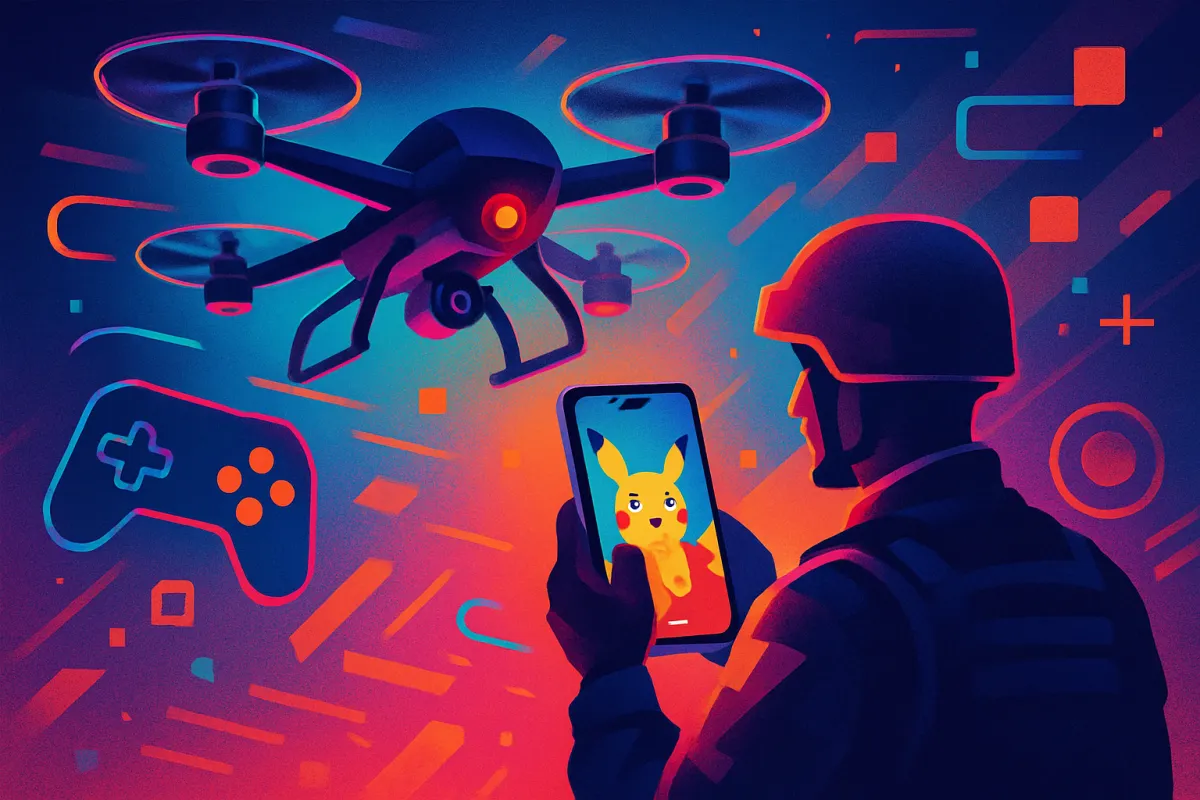
In a turn that no one saw coming, data collected from Pokémon Go is now being utilized to improve artificial intelligence systems for military drones. The popular augmented reality (AR) game, known for getting players out into the real world to catch virtual creatures, has inadvertently contributed valuable data that could assist in complex military operations. The idea of a beloved game assisting with military applications feels jarring, blending recreational fun with serious combat technology.
"Who would have thought Pokémon could help shape the future of warfare?"
This development raises eyebrows and not just among gamers. Critics are concerned about how casual data collection through gaming can evolve into applications that operate in war zones. The implications are vast and touch upon ethical considerations about privacy, consent, and the role of technology in conflicts.
Why does this matter?
The integration of civilian game data into military uses showcases a troubling intersection between entertainment and warfare. As we engage in more connected activities, be it playing games like Pokémon Go or utilizing other apps, data generated can easily slip into the hands of organizations far removed from our casual interactions.
"This could redefine how we view gaming data, something to enjoy or a resource for conflict?"
And it brings into question the future trajectory of gaming technology. As augmented reality advances, could more games inadvertently become part of serious governmental endeavors? This development may mark a shift in how players perceive their data's value and the responsibility developers hold when crafting engaging experiences.
What can we expect moving forward?
While specific details about how precisely this AI is being trained remain unclear, it's a safe bet that defense organizations are keenly watching player behavior patterns gathered through AR gaming. The implications extend beyond military uses; they could influence law enforcement strategies or disaster response protocols as well.
This evolving relationship between gaming and serious real-world applications could lead to a growing dialogue around how gamers engage with their favorite titles. If Pokémon Go can be repurposed for military tech, what’s next? Will AR games increasingly incorporate mechanisms that protect player data, or will developers face pressure from institutions seeking to leverage user-generated insights?
The upcoming years will likely see heightened scrutiny over data use in video games. Regulations may emerge to protect both consumers and creators alike. Keeping an eye on these developments might be vital for ensuring that entertainment remains distinctly separate from warfare.
You can read more on this topic over at The Guardian. For more news about emerging gaming trends and updates, check out our latest stories on Playmania Arcade.