
What Happened?
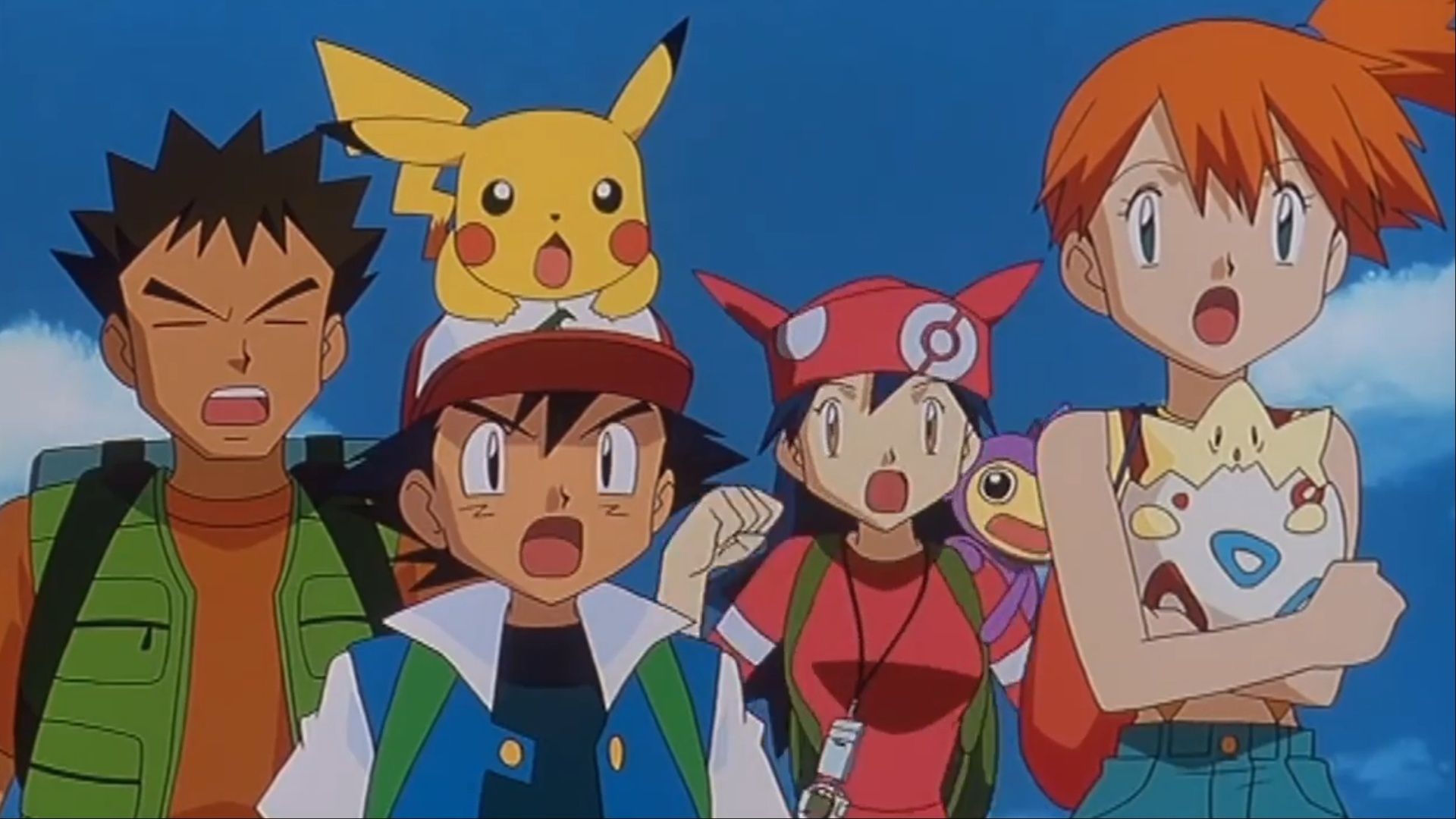
In a shocking turn of events, the official Pokémon X account was hacked for approximately 30 minutes, allowing hackers to exploit this popular platform for their own gain. During this brief window, the compromised account was used to push a memecoin scam that raised eyebrows in both the gaming and cryptocurrency communities.
"It’s hard to believe that even the most beloved franchises can fall prey to digital shenanigans like these."
The incident highlights not only vulnerabilities in high-profile social media accounts but also the lengths to which scammers will go in an age where cryptocurrencies are surging in popularity. The attackers seized control, rapidly posting about the memecoin with hopes of luring unsuspecting fans into investing their hard-earned money into a fraudulent venture.
This is not just another hack; it’s a wake-up call for gamers and companies alike about the dangers lurking online. If you think your favorite franchise is safe from cybercriminals, think again. It’s a reminder that no one is truly safe from security breaches.
Why Should Players Care?
This situation isn't just about Pokémon. It serves as a cautionary tale about online security and scams. For many, Pokémon represents nostalgia, childhood memories, and community, but when hackers get involved, it turns into something much darker. A beloved franchise becoming collateral damage in a digital heist doesn’t sit right with fans.
"Gamers need to be vigilant; this kind of scam preys on our trust."
The fact that such a beloved brand was targeted signals that scammers are willing to exploit any entry point available to them. Many players are emotionally connected to franchises like Pokémon. This connection can lead to impulsive decisions when faced with offers or announcements from official accounts. If players aren't careful, they might end up making poor investments based on misinformation or fraudulent schemes.
And what happened serves as a reminder that players should verify information before acting on it, especially when it comes from social media platforms prone to hacking incidents. The fast-paced nature of our digital lives can sometimes blur the lines between authenticity and deceit.
What Can We Expect Next?
As of now, there hasn’t been any detailed follow-up from Nintendo or The Pokémon Company regarding the incident. However, we can anticipate stronger security measures moving forward as companies become increasingly aware of these vulnerabilities. Social media giants like Twitter and Instagram might also enhance their security protocols to better protect user accounts against similar attacks.
The gaming community is known for its resilience and collaboration; we may see discussions on forums or social media about enhancing personal online security practices as well. Players are likely sharing advice on how to spot scams or how best to secure their own accounts from potential threats.
It leads us back to an ongoing conversation: What responsibilities do developers have in educating their player base about online safety? Transparency is key here; if companies don’t communicate openly about threats like these, they leave gamers vulnerable.
How Can You Protect Yourself?
For those who aren’t already aware, take proactive steps to secure your online presence:
- Enable two-factor authentication wherever possible.
- Be cautious about clicking on links posted by accounts, even verified ones, if they look suspicious.
- Stay informed about current scams circulating within gaming communities.
- If you feel unsure about an offer or announcement, cross-reference it with other reputable sources before acting on it.
The Pokémon incident is more than just an isolated case; it’s part of a larger trend affecting gamers today. As we navigate this new digital frontier filled with both opportunities and risks, awareness will be your greatest ally in preventing exploitation by malicious actors.
You can read more details about this hacking incident over at Polygon.