What’s Happening with PlayStation?
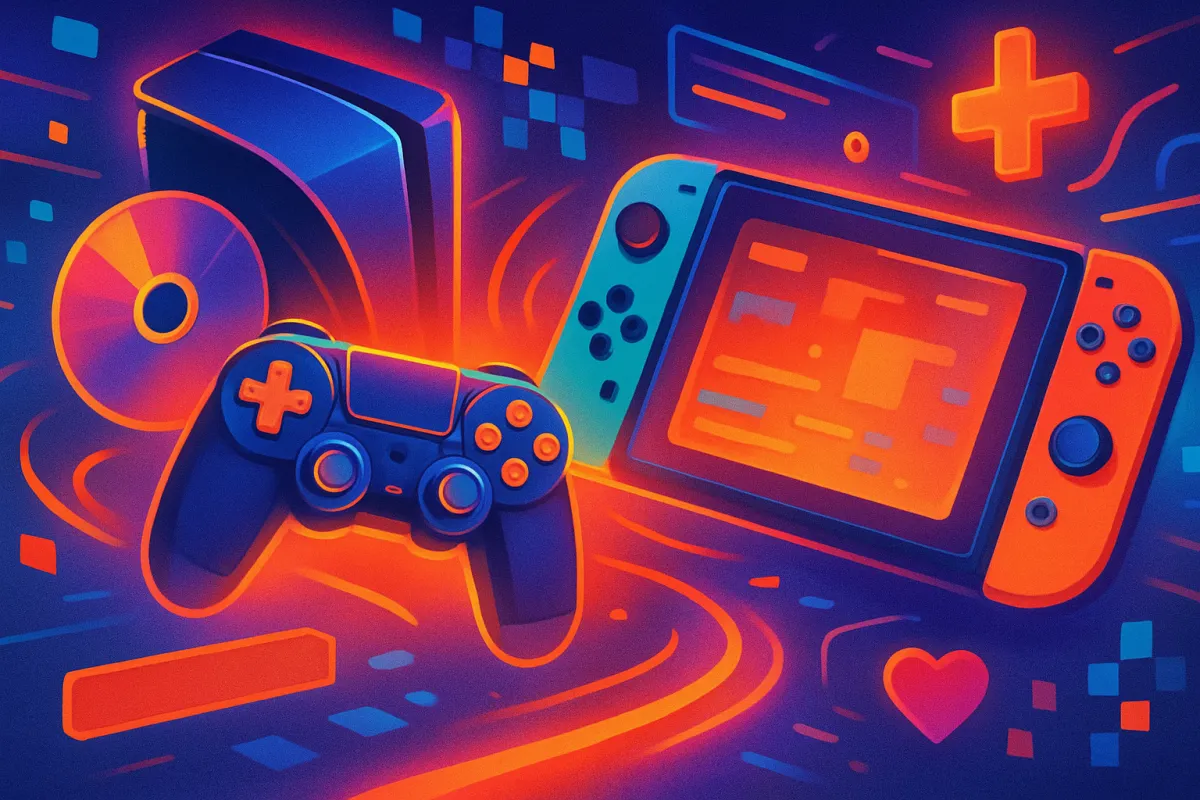
The gaming industry is buzzing with discussions about PlayStation's recent moves towards phasing out physical games. This shift, while intriguing, raises questions about its influence on competitors like Nintendo. Recently, an analyst weighed in, suggesting that this transition is unlikely to push Nintendo in any new direction regarding its game distribution strategy.
"Nintendo has always marched to the beat of its own drum."
While Sony's decision might represent a broader trend in the industry, Nintendo has a unique position. The company has maintained a successful hybrid model that thrives on both digital and physical sales. With its iconic titles and family-friendly approach, Nintendo has built a loyal base that appreciates tangible products, think amiibo figures and exclusive boxed editions.
Why Does This Matter?
This potential shift could redefine how players purchase and interact with their games. As more companies lean into digital distribution, it begs the question: is the era of physical media coming to an end? However, as analysts point out, not all companies will respond similarly. In fact, the sentiment around Nintendo remains clear: they're likely to stick with what works.
"The game developers know their audience better than any trend could dictate."
Nintendo's strategy has always been about catering to its core fanbase. They understand that many gamers still enjoy collecting cartridges or discs as part of their gaming experience. Not only does it add a tactile dimension to gameplay but also serves as a nostalgic touchstone for longtime fans.
What Can We Expect from Nintendo Going Forward?
The outlook for Nintendo seems stable in the face of PlayStation's evolving strategy. Analysts suggest that while they might observe changes in the market, they’re unlikely to radically alter their business model just because of another company’s decisions. Instead, expect continued innovation within their current framework of product offerings.
This doesn’t mean they’ll be completely resistant to change or technological advancements. As digital marketplaces grow and evolve, Nintendo will likely introduce new ways for players to engage with their games online, expanding services like Nintendo Switch Online or enhancing their digital storefronts.
The challenge for Nintendo will lie in striking that delicate balance between maintaining physical sales for collectors and appealing to a growing base of digital consumers. Their established practices have served them well thus far; they may continue exploring options but remain firm in their signature style.
The Broader Implications
With PlayStation's pivot toward digital platforms gaining attention, it could influence third-party developers who distribute across multiple consoles. Developers may need to consider how this trend affects their business models as they choose where to launch new titles and updates. However, this will play out differently depending on each platform's community demands and expectations.
For now, gamers should keep an eye on upcoming announcements from both companies as they navigate these shifts within the gaming market. Sony’s embrace of a primarily digital landscape might pave the way for significant changes down the line, but it won’t necessarily sway how Nintendo approaches its own strategy.
What matters most is how these shifts impact you, the gamer. Whether you're collecting every physical release or downloading the latest title as soon as it drops, your preferences shape the gaming market.