What's the news?
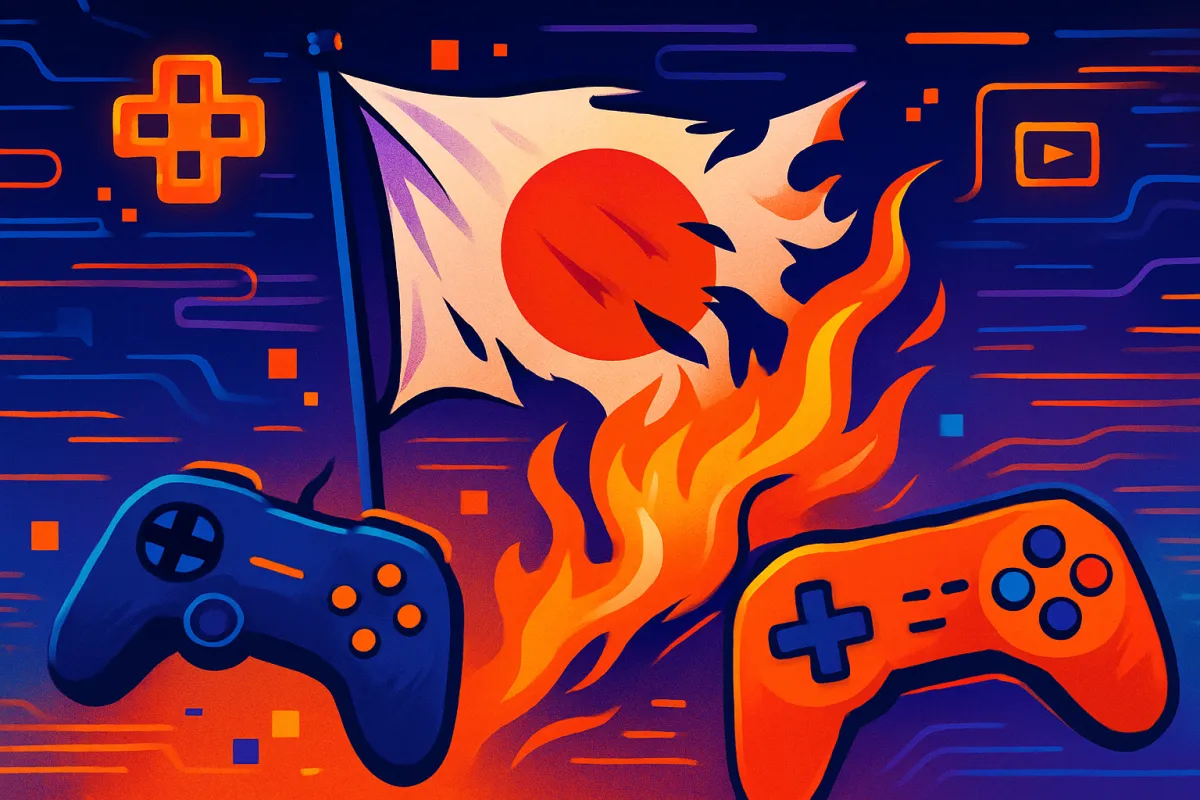
In a surprising turn of events, Japan's ruling party has approved a bill that criminalizes the desecration of the national flag. This decision, driven by a desire to strengthen national pride, has raised eyebrows and sparked conversations across various sectors, including gaming.
The legislation comes amid a broader push for cultural preservation in Japan, where symbols like the national flag hold significant value. Proponents argue this law will foster respect for Japan’s heritage, while critics express concern over potential free speech implications.
"This is a precarious moment where art and expression could clash with nationalism."
With Japan’s vibrant gaming industry often reflecting societal values and political sentiments, the new legislation could have far-reaching effects on how game developers approach themes related to nationalism, identity, and freedom of expression.
Why does it matter to gamers?
The intersection of law and gaming isn’t just legal jargon; it affects how stories are told within interactive media. In an era where games explore complex themes, identity, conflict, and social issues, this bill introduces an added layer of complexity. Developers might find themselves walking a tightrope between creative expression and adherence to new legal constraints.
Consider games that utilize national symbols or historical contexts. Titles like *Metal Gear Solid*, which often dig into political themes, could face scrutiny under this new law. If developers choose to depict scenarios involving the Japanese flag in any negative light, they may risk legal repercussions, or at minimum, public backlash.
"The potential for self-censorship rises; creators may opt for safer narratives rather than risk penalties."
This shift could lead to a less diverse array of storytelling within Japanese games. The industry thrives on pushing boundaries and exploring controversial themes. With the looming specter of legal action over flag desecration now a reality, we might see fewer narratives that engage critically with Japan's history or its symbols.
What can we expect next?
As this legislation develops further, it will likely prompt reactions from both domestic game developers and international companies operating in Japan. The balance between creativity and compliance will shape upcoming titles, and not just those based in Japan but also global franchises that reference Japanese culture.
We may also see calls for greater clarity regarding what constitutes "desecration." Terms can be subjective; what one group views as disrespectful might be seen as artistic expression by another. This ambiguity could create confusion in an industry already known for its diverse narratives.
The reactions from fans and creators alike will be equally telling. Some players may welcome this move as a means to preserve culture; others might see it as an infringement on creative liberties. Game enthusiasts thrive on open discourse; any perceived threat to artistic freedom tends to spark debate within gaming communities.
What does it mean for indie developers?
Indie developers may feel the effects even more acutely than larger studios. Smaller teams often embrace bold ideas that challenge norms or address taboo subjects, therefore, they might become more hesitant when crafting their narratives under these new restrictions.
This hesitation could stifle innovation in an industry celebrated for its diversity and experimentation. Alternatively, it might force indie creators to find clever ways to engage with sensitive topics while abiding by the law, perhaps leading to unique forms of expression emerging in response to these constraints.
"The challenge lies not just in adhering to laws but in finding ways around them creatively."
As we monitor how this bill unfolds, one thing is certain: the conversation around artistic freedom vs. state control will only grow louder within both gaming circles and society at large. Whether through forums or social media platforms, players will weigh in on these developments, and their opinions could shape future game content significantly.
For ongoing coverage about changes affecting gaming culture in Japan, and how they intersect with broader global trends, be sure to check our dedicated [Game News section](/game-news). Plus, if you're curious about the latest happenings surrounding this legislation or its implications for free expression within video games, you can follow updates from Kyodo News. The dialogue around these issues will undoubtedly continue evolving as both players and developers respond to the changing tides of national sentiment.