What's Happening with AI and Gaming?
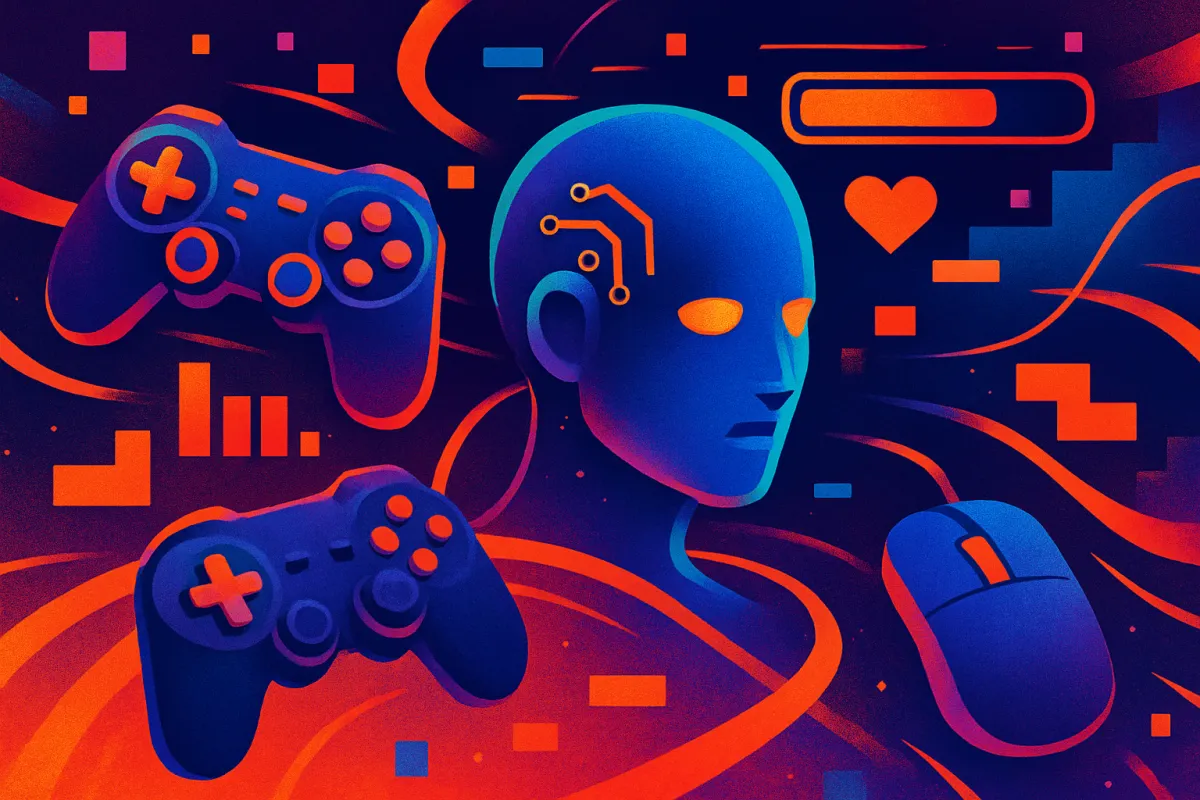
Artificial Intelligence is not just reshaping how we experience video games; it's starting to influence broader economic trends as well. Recently, a report highlighted concerns that the extensive integration of AI across various sectors might contribute to rising inflation rates. This has raised eyebrows among industry experts and gamers alike, as it suggests that the very technology enhancing our gaming experience could also lead to higher prices at checkout.
"The games we love may become more expensive thanks to the AI revolution."
The use of AI in gaming is growing rapidly. Developers are increasingly relying on advanced algorithms for everything from NPC behavior to game world generation. As studios invest heavily in these technologies, there’s a concern that these costs will be passed down to consumers. If game production expenses skyrocket due to new AI systems, it stands to reason that gamers might soon see an increase in prices for both new titles and ongoing subscriptions.
Why Does This Matter?
This isn't just a hypothetical scenario. If inflation continues to rise due to increased production costs tied to AI implementations, gamers could be caught off guard when they reach for their wallets. Imagine paying $80 instead of $60 for the latest triple-A title because developers had no choice but to offset their investments in cutting-edge tech.
"When innovation meets economics, players often pay the price."
And this issue isn't limited to just one genre or platform. With major companies pushing boundaries with AI-driven design and features, the entire gaming ecosystem could feel the pinch. Smaller indie developers might find it even tougher as they try to compete with larger studios that have deeper pockets for AI research and development. The risk is that the diversity of games available could shrink if smaller studios can't keep up financially.
What Should Gamers Expect Next?
The intersection of gaming and economics suggests we need to keep a close eye on how this unfolds over the coming months and years. Will we start seeing tiered pricing models? Perhaps subscription services will become more common as developers look for alternative revenue streams aside from traditional sales.
Another possibility is that some companies may opt to limit their investment in costly AI systems, opting instead for more traditional methods of game design that might not elevate production quality as dramatically but would keep costs down. That said, while many gamers relish improvements in graphics and gameplay driven by AI innovations, they likely won't relish inflated prices that come along with it.
The reality is complex; players want better games but don’t want their bank accounts adversely affected. The key will be finding a balance between innovation and affordability, a tightrope act developers have always faced but one made more precarious by new technologies.
So what does this mean for you as a gamer? Keep your eyes peeled on market trends and be prepared for potential shifts in pricing structures. Engaging with community forums can also offer insights into how others are reacting to these changes, plus it’s a good way to stay informed about upcoming releases.
If you're curious about how developments like these are impacting not only gaming but other industries as well, you can read more about related topics [here](https://news.google.com/rss/articles/CBMijgFBVV95cUxQQUpqQlR6RE0zMDFneHhYenlxUXRnVXV6YzNkd2hxdTBLdF80UWNlczhQRG5HaVYzMS12b0hra2k4TGZzN3BxUFVjTGVadnVEelU2a1dDWDQ5b0gwUnRwaWk5d1JieDhCZFpZVEFsdy01ZlJyMDhoYU5GLXEwX2FkOHV2NE95WmdWY1hZaVdR?oc=5). Keep exploring our [game news](https://playmaniaarcade.com/game-news) section for updates on these fast-moving discussions within the gaming industry.