What's fueling the adaptation frenzy?
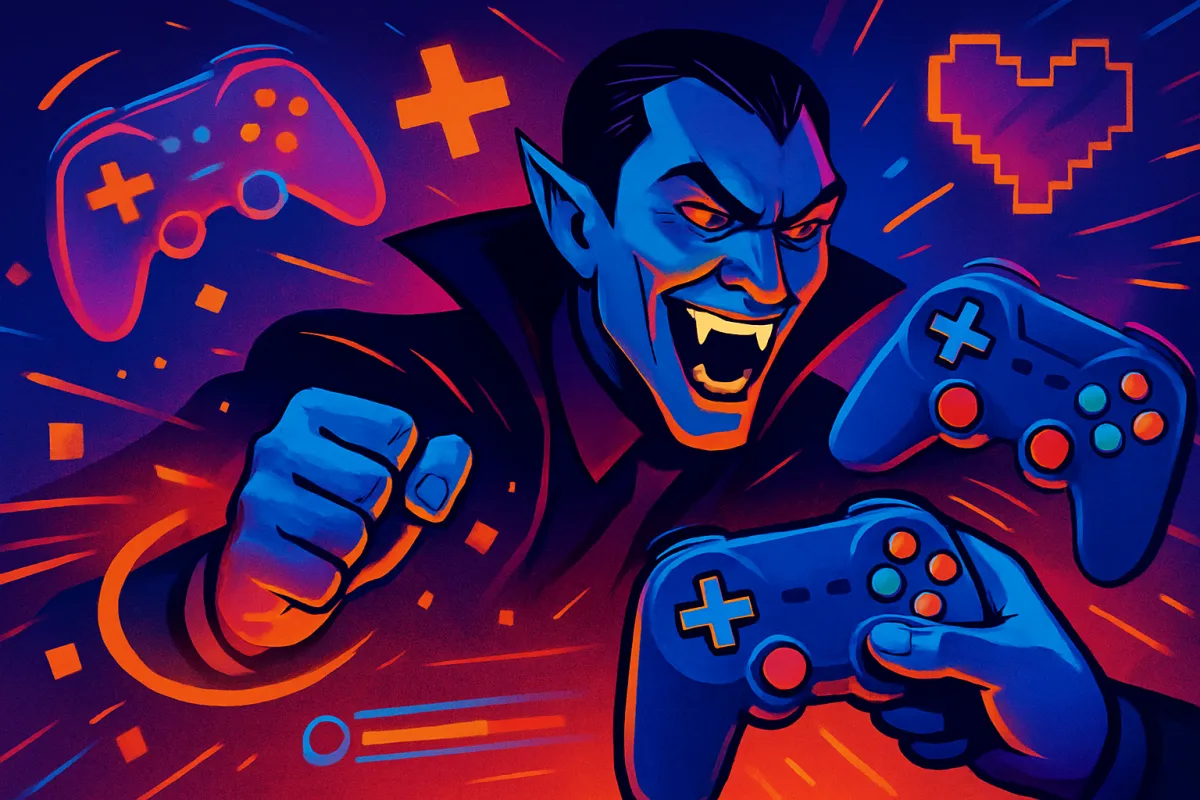
It seems like every other week, there’s news about a new video game being transformed into a film or television series. From blockbuster franchises like "The Last of Us" to cult classics such as "Castlevania", the trend is undeniable. But why are studios eager to adapt video games right now? One major factor is the growing acceptance of gaming as a mainstream form of entertainment. No longer relegated to a niche audience, video games have captured the imagination of a vast demographic. They’re not just played; they’re experienced, often with rich narratives that lend themselves well to cinematic storytelling.
Plus, the success of previous adaptations has sparked interest from both creators and investors. A well-executed adaptation can lead to significant financial rewards. When shows like "Arcane" and "The Witcher" received acclaim from fans and critics alike, it encouraged other studios to jump into the fray. It’s almost a certainty, if it worked once, it can work again.
"Video game adaptations are finding their stride in Hollywood, and audiences are ready for more."
And the rise of streaming platforms has created an ever-increasing demand for content. With platforms like Netflix and Amazon Prime hungry for fresh material, adapting popular video games offers them an appealing way to attract viewers who are already fans of these stories. The built-in audience guarantees at least some level of interest and viewership, making these projects less risky for studios compared to original content.
What does this mean for gamers?
This boom in adaptations isn’t just good news for film buffs; it’s thrilling for gamers too. We’re finally seeing characters and storylines we’ve loved on our screens come alive in ways that do justice to their original forms. For many players, watching their favorite games brought to life can feel like a celebration. It can serve as validation, proving that gaming is indeed a rich narrative medium worthy of exploration beyond pixelated screens.
However, it's not all sunshine and rainbows; skepticism remains. Many die-hard gamers recall dismal adaptations that missed the mark completely, think back to the mediocre "Super Mario Bros." or "Resident Evil" films that strayed far from their source material. Players fear that creative liberties could tarnish beloved franchises. Striking that balance between faithful representation and engaging storytelling remains one of the biggest challenges facing producers.
"Gamers want authenticity; they crave adaptations that respect the source material but still bring something fresh to the table."
This trend raises crucial questions about authenticity in adaptations. Will studios prioritize fan service, or will they take risks with narrative adjustments? As players passionate about their favorite games become increasingly vocal about what they want from adaptations, it’s clear that balancing artistic vision with player expectations will be key.
What's next in line for adaptations?
The future looks bright for video game adaptations as several high-profile projects are already in development. With names like "God of War" and "Fallout" making headlines, viewers can expect varying interpretations of beloved titles across different genres and formats, each bringing its own flavor to an existing universe.
The challenge will be distinguishing these adaptations in a crowded market; creativity will need to shine if studios hope to keep audiences engaged long-term. Some insiders argue that original content paired with familiar narratives may become essential for success, allowing room for new stories while staying connected to established worlds.
In addition, interactive storytelling has begun creeping into traditional media spaces too, an interesting development given gaming’s emphasis on interactivity. This could mean we start seeing multimedia experiences where audiences participate alongside characters in ways we haven’t seen before on screen.
For those keeping tabs on upcoming releases or wanting deeper dives into gaming culture's crossover with cinema and television, our Game News section is your go-to hub for insights.
The question remains: how long until we see even more ambitious projects emerge? Studios are clearly eager, and fans will keep watching closely as they navigate this evolving frontier.