
What’s happening?
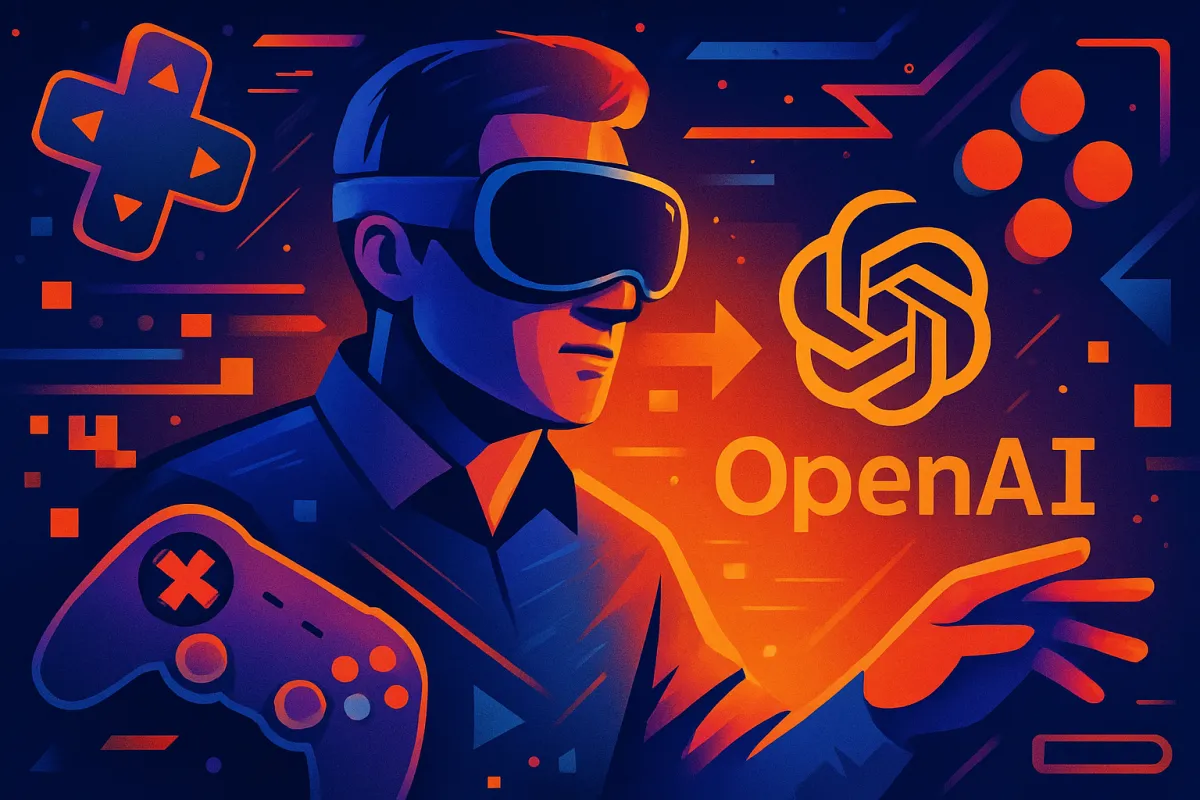
In a surprising shakeup in the tech world, Paul Meade, Apple’s leading executive for their Vision Pro and smart glasses initiative, is reportedly departing from Apple to join the hardware team at OpenAI. This news comes directly from a Bloomberg report, suggesting that Meade's move could significantly impact both companies and the future of augmented reality (AR).
"This isn’t just a personnel change; it signals a convergence of AI and AR that could redefine how we interact with technology."
Meade has been with Apple for quite some time, playing a pivotal role in the development of the Vision Pro headset, an ambitious product intended to blend digital information with the real world smooth. As he transitions to OpenAI, he'll likely be involved in creating hardware that leverages AI in ways we've yet to fully grasp.
Why does this matter?
The implications of Meade’s departure are substantial. First off, his experience in AR gives him a unique perspective on merging artificial intelligence with immersive technologies. OpenAI has been making strides into hardware development recently, aiming to create devices that not only perform traditional tasks but also adapt and respond intelligently to users’ needs.
"As AI continues to evolve, its integration into wearable tech could lead us to completely new user experiences."
This move hints at a broader trend where companies are looking at AI not just as software but as integral components of hardware development. With competition heating up in both the VR/AR space and AI realms, having an executive like Meade on board could place OpenAI ahead of traditional tech giants in creating next-gen experiences.
What can we expect next?
Given Meade's extensive background at Apple and his new role at OpenAI, we should keep an eye out for innovative crossovers between AR technology and AI-powered devices. These might include tools that provide real-time data overlays or intelligent virtual assistants integrated into augmented reality platforms.
The combination of Apple's design philosophy and OpenAI's machine learning capabilities could lead to devices that not only enhance productivity but also transform entertainment and educational experiences. Imagine wearing smart glasses that can translate languages in real-time or recognize landmarks while providing historical context through AI algorithms.
While it's still too early to make specific predictions about product releases or timelines, one thing is clear: this move could set off a chain reaction within both companies. Rival firms will likely react by ramping up their own talent acquisition strategies or accelerating their research into similar technologies. With players like Facebook (Meta), Microsoft, and even Google stepping into the game, the competitive landscape is about to get very interesting.
For now, as we await more news regarding OpenAI's upcoming projects and how they’ll utilize Meade’s expertise, it’s essential for gamers and tech enthusiasts alike to stay informed. Following developments will help us understand how these shifts might affect the devices we use daily, from gaming consoles with VR capabilities to other smart gadgets designed for our homes.
This situation serves as a reminder that we're living at an intersection where AI and AR are becoming increasingly intertwined. As creators push the boundaries of what’s possible with these technologies, we’re likely on the brink of breakthroughs that will elevate our gaming experiences far beyond what we currently know.
If you're interested in staying updated on this developing story, you can check out more details over on Road to VR. And don’t forget to visit our own Game News section for all the latest updates in gaming tech!